The cosmetic packaging industry is growing. Discover what factors make top companies stand out from the rest.
Top cosmetic packaging companies excel by offering superior quality, innovative designs, and sustainable solutions. They stand out because they prioritize customer needs, push for eco-friendly materials, and adapt to market trends. By focusing on these factors, businesses can choose partners that enhance their brand image and meet customer expectations.
Let’s explore the qualities that make a cosmetic packaging company stand out and what you should consider when choosing the best one for your business.
What Makes a Leading Cosmetic Packaging Company?
What sets the leading cosmetic packaging companies apart? It’s all about their ability to deliver high-quality products, innovative designs, and exceptional customer service.
Leading companies in cosmetic packaging provide consistent quality, offer innovative designs, and are dedicated to sustainability. Let’s dive into the key factors that define their success.
](https://jinlinpackaging.com/wp-content/uploads/2024/11/What-Makes-a-Leading-Cosmetic-Packaging-Company.jpg)
Quality Control
For a packaging company to be considered a leader, they must prioritize quality control. This means using the best materials, the latest technology, and rigorous testing to ensure that every product is top-notch. Quality assurance is the foundation that holds a company’s reputation intact.
Innovation in Design
Innovation is what keeps a company competitive in the cosmetic packaging market. Leading companies are constantly developing new packaging formats, exploring different materials, and implementing the latest design trends. This innovation helps them meet the evolving needs of both brands and consumers.
Sustainability
Sustainability is increasingly important to consumers and brands alike. The top cosmetic packaging companies are adopting eco-friendly practices, using recyclable materials, and reducing their carbon footprint. Companies that embrace sustainability are not only meeting market demand but also contributing to a healthier planet.
| Feature | Company 1 | Company 2 | Company 3 |
|---|---|---|---|
| Quality Control | Excellent | High | Very Good |
| Innovation | High | Moderate | Very High |
| Sustainability | Moderate | High | Excellent |
These factors – quality, innovation, and sustainability – are the pillars of leading cosmetic packaging companies.
How Big Is the Cosmetic Packaging Industry?
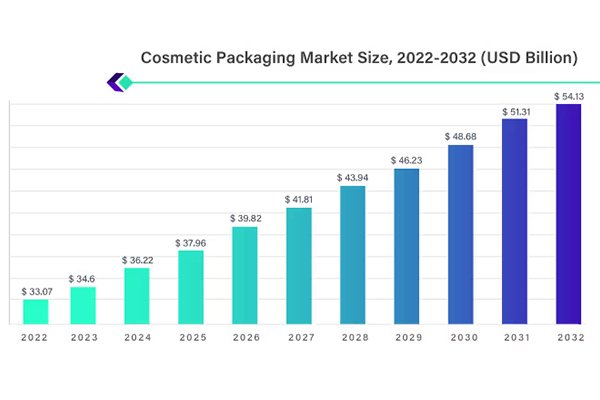
The cosmetic packaging industry is booming, fueled by the rising demand for beauty products. As consumer habits evolve, the need for innovative, sustainable packaging grows stronger.
With billions in market value, the cosmetic packaging industry continues to expand as beauty trends rise. Leading companies drive this growth with innovative solutions, meeting the demand for high-quality, sustainable packaging.
](https://jinlinpackaging.com/wp-content/uploads/2024/11/How-Big-Is-the-Cosmetic-Packaging-Industry.jpg)
Global Market Trends
The global cosmetic packaging market is thriving, particularly in North America, Europe, and Asia-Pacific. With the growing popularity of beauty products worldwide, the packaging sector is seeing a consistent rise in demand. Factors like the increase in skincare routines, the rise of e-commerce, and the shift toward sustainable products are driving market growth.
Growth Drivers
Several key factors contribute to the growth of the cosmetic packaging industry, including:
- E-commerce Boom: More consumers are purchasing beauty products online, creating a demand for easy-to-ship, secure packaging.
- Consumer Demand for Sustainability: Customers are becoming more environmentally conscious, leading to a rise in demand for eco-friendly packaging.
- Product Innovation: New packaging materials and designs are becoming a focal point as companies work to create packaging that stands out on the shelves.
| Region | Market Share | Growth Rate |
|---|---|---|
| North America | 30% | 4% |
| Europe | 25% | 3% |
| Asia-Pacific | 40% | 6% |
| Rest of World | 5% | 2% |
Understanding these trends helps us grasp how big the cosmetic packaging industry is and how it’s poised for future growth.
What Is the Best Plastic for Cosmetic Packaging?
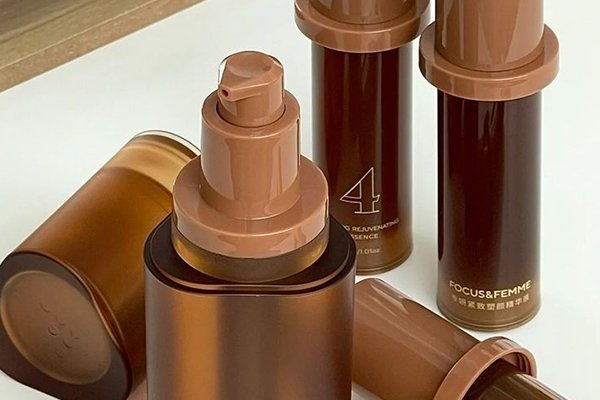
Choosing the right plastic material for cosmetic packaging is essential, as it influences the durability, safety, and overall appearance of the product. Each type of plastic has its advantages depending on the packaging requirements.
The ideal plastic for cosmetic packaging varies by product. PET, HDPE, and PP are top choices due to their strength, versatility, and suitability for a wide range of beauty products.
](https://jinlinpackaging.com/wp-content/uploads/2024/11/What-Is-the-Best-Plastic-for-Cosmetic-Packaging-1.jpg)
PET (Polyethylene Terephthalate)
PET is one of the most commonly used plastics for cosmetic packaging. It is clear, lightweight, and highly resistant to impact, making it ideal for products like skincare bottles and facial cleansers. It also offers good protection from moisture and air.
HDPE (High-Density Polyethylene)
HDPE is a tough, durable plastic that is widely used for cosmetic packaging, especially for containers that need to hold liquids like lotions and shampoos. It is resistant to chemicals, which is ideal for products that might react with packaging materials.
PP (Polypropylene)
PP is known for its flexibility and impact resistance. It is often used for tubes, such as lip gloss and mascara containers. It is also a great option for packaging items that need to be squeezable or flexible.
| Material | Main Uses | Pros | Cons |
|---|---|---|---|
| PET | Bottles, jars, containers | Lightweight, clear | Not flexible |
| HDPE | Bottles, caps | Strong, durable | Less transparent |
| PP | Tubes, caps | Flexible, impact-resistant | Less clear than PET |
Each type of plastic offers unique benefits, and choosing the right one depends on the product and packaging needs.
What Is the Most Eco-Friendly Packaging for Cosmetics?
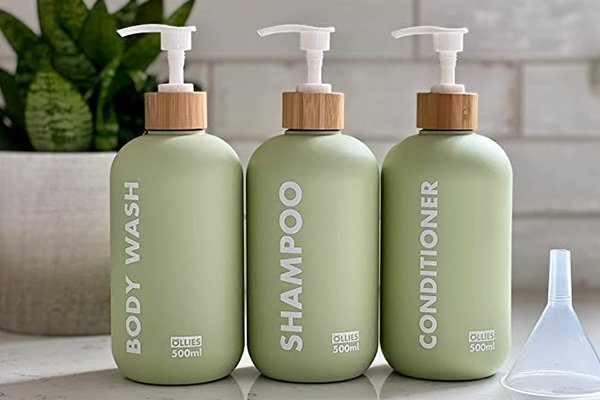
As sustainability becomes a key consumer concern, cosmetic brands are rethinking their packaging choices. Eco-friendly options are no longer a trend—they’re essential for staying relevant.
Eco-friendly packaging materials such as glass, aluminum, and biodegradable plastics are gaining popularity. They offer both environmental benefits and functional packaging solutions for cosmetics.
](https://jinlinpackaging.com/wp-content/uploads/2024/11/What-Is-the-Most-Eco-Friendly-Packaging-for-Cosmetics.jpg)
Glass
Glass is an excellent choice for eco-friendly packaging due to its recyclability and non-toxic properties. It is often used for high-end skincare products, perfumes, and essential oils. Glass packaging can be reused multiple times and is highly recyclable.
Aluminum
Aluminum is lightweight and highly recyclable, making it an excellent choice for packaging cosmetics such as deodorants and aerosol cans. It is a renewable material that can be recycled indefinitely without losing quality.
Biodegradable Plastics
Biodegradable plastics are made from renewable resources, such as corn starch, and break down naturally over time. They are an alternative to traditional plastics and are gaining popularity for single-use items like facial wipes and cosmetic tubes.
| Material | Recyclability | Popular Products | Sustainability Score |
|---|---|---|---|
| Glass | 100% recyclable | Skincare bottles, perfumes | Very High |
| Aluminum | 100% recyclable | Deodorant, cosmetic cans | High |
| Biodegradable | Breaks down over time | Face wipes, tubes | Moderate |
Switching to eco-friendly packaging is a great way to reduce waste and appeal to the environmentally conscious consumer.
What Is the Most Sustainable Plastic Packaging?
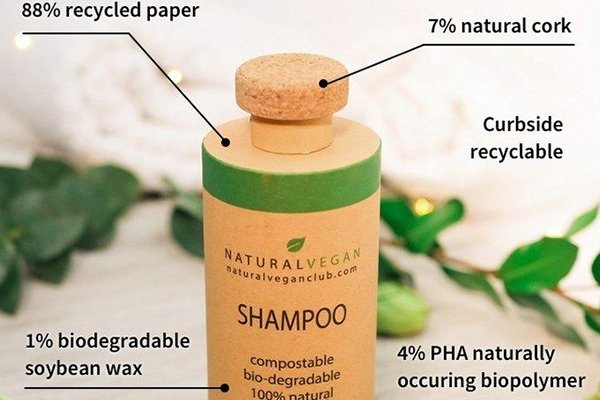
As the demand for sustainable packaging grows, brands are turning to innovative plastics that help reduce environmental impact. The shift away from single-use plastics is driving change.
Sustainable plastics like rPET and biodegradable materials are revolutionizing packaging. These alternatives not only reduce plastic waste but also offer eco-friendly solutions without compromising functionality.
](https://jinlinpackaging.com/wp-content/uploads/2024/11/What-Is-the-Most-Sustainable-Plastic-Packaging.jpg)
Recycled PET (rPET)
rPET is made from recycled plastic bottles, reducing the need for new plastic production. It’s one of the best options for brands looking to reduce their environmental footprint while still maintaining high-quality packaging.
Biodegradable Plastics
Biodegradable plastics, derived from plant-based materials, are another sustainable option. They break down more easily in the environment than traditional plastics, making them a great choice for eco-conscious brands.
| Material | Source | Sustainability Impact |
|---|---|---|
| rPET | Recycled plastic bottles | Reduces waste, conserves resources |
| Biodegradable | Plant-based materials | Breaks down faster, reduces landfill waste |
By opting for these materials, brands can enhance their sustainability efforts and appeal to environmentally aware consumers.
Insights: Navigating the Titans of Cosmetic Packaging
In the complex world of cosmetic packaging, a blend of innovation, sustainability, and scale is essential. By examining industry leaders, we gain valuable insights into what sets them apart.
-
HCP Packaging: Known for high-end makeup solutions, HCP emphasizes sustainability and customization for luxury brands, including lipstick cases and airless pumps.
-
Berry Global: A leader in plastics, Berry offers rigid packaging and sustainable materials, providing comprehensive solutions for beauty brands.
-
Amcor: This powerhouse delivers global reach with airless and sustainable options, catering to a broad range of cosmetic container needs.
-
AptarGroup: Specializes in dispensing systems, offering innovative and sustainable packaging solutions across beauty sectors, integrating paper-based initiatives.
-
Albéa Group: Leading in plastic and tube packaging, Albéa provides turnkey, lightweight, and recyclable designs through robust R&D.
-
Cosmopak: Offers design-to-packaging services with a focus on luxury and eco-friendly options, ensuring a full spectrum of solutions for beauty brands.
-
Quadpack: Provides sustainable and customizable packaging with a flair for design versatility, covering skincare, makeup, and fragrances.
-
Gerresheimer: Specializes in prestige cosmetics with excellence in glass and plastic packaging, offering luxury and high-end closures.
-
DS Smith: A provider focusing on sustainable and recyclable cosmetic applications, leveraging paper-based solutions for eco-conscious branding.
-
Libo Cosmetics: Known for innovative design processes, offering flexible packaging options and focusing on the luxury market.
Emerging Themes:
- Global Scale: These companies ensure supply consistency across continents, crucial for multinational beauty brands.
- End-to-End Capabilities: Offering design, prototyping, and decoration services, these partners enable quick market entry.
- Sustainability: A commitment to recyclability and lighter materials aligns with ESG goals.
- Customization and Innovation: Bespoke packaging, unique closures, and advanced technologies help differentiate brands.
This diverse landscape presents both global conglomerates and specialized providers. By understanding these nuances, you can select partners who align with specific needs, whether focusing on luxury or eco-friendly packaging.
Conclusion
The cosmetic packaging industry is dynamic and growing. Leading companies stand out by combining quality, innovation, and sustainability, making them trusted partners for beauty brands worldwide.