
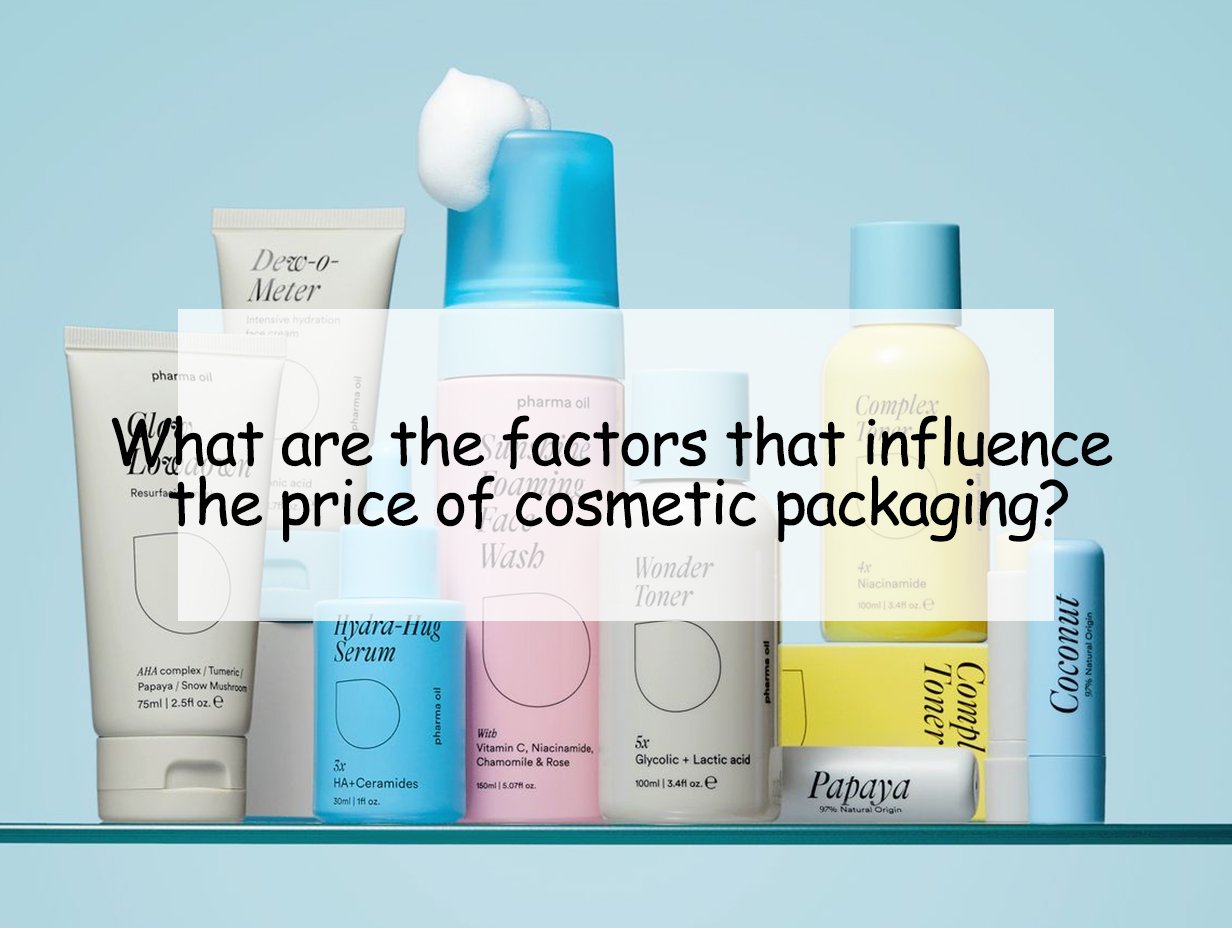
Struggling to understand the cost of cosmetic packaging? Several factors, such as materials and design, can significantly impact the price. Let’s dive into the elements that shape these costs.
Cosmetic packaging costs depend on material choice, design complexity, production methods, and order size. By grasping these factors, you can select an appropriate packaging solution that balances cost, quality, and brand image, ensuring effective and budget-friendly results.
Want to know more? Let’s explore the key factors behind cosmetic packaging prices, and how each one plays a role in the final cost.
Materials Used in Cosmetic Packaging
Choosing the right material for cosmetic packaging can be overwhelming. The material directly influences both the cost and the perceived value of the product. Let’s break down how material selection affects pricing.
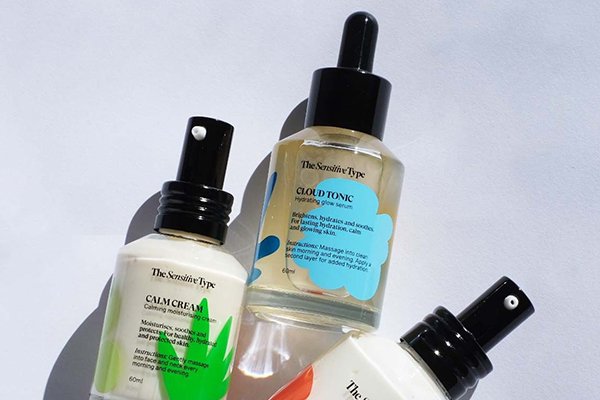
Material selection for cosmetic packaging affects both cost and visual appeal. From plastic to glass, each material has its own price range and benefits, influencing the final product's cost and aesthetic.
](https://jinlinpackaging.com/wp-content/uploads/2024/11/Materials-Used-in-Cosmetic-Packaging.jpg)
Types of Materials
| Material | Cost Range | Benefits |
|---|---|---|
| Plastic | Low to Medium | Lightweight, versatile |
| Glass | Medium to High | Premium feel, recyclable |
| Metal | High | Durable, luxurious appearance |
| Sustainable Options | Varies | Eco-friendly, increasing demand |
Selecting the appropriate material balances cost with desired aesthetics and functionality. Sustainable materials are gaining popularity, adding to their value. For example, using recycled plastics can reduce environmental impact but may come with higher production costs. Glass, while more expensive, offers a premium look that can enhance brand perception. Metal packaging, though costly, provides durability and a high-end feel, suitable for luxury cosmetic lines. Sustainable options not only appeal to eco-conscious consumers but also align with global trends towards environmental responsibility, potentially justifying higher prices.
Design Complexity and Customization
Looking to create unique cosmetic packaging? While intricate designs and custom features can enhance your brand’s appeal, they can also raise costs. Let’s explore how to balance creativity with budget.
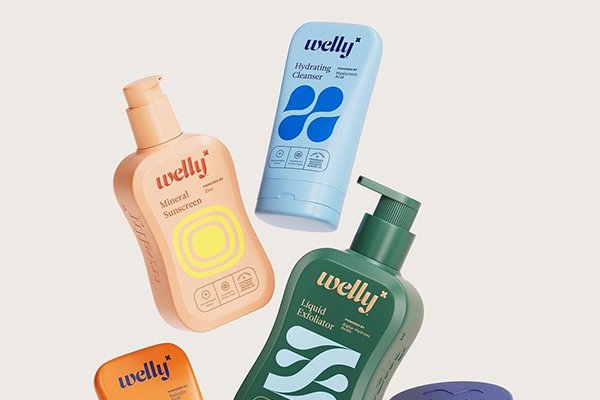
Custom designs and intricate features can elevate cosmetic packaging but also increase costs. It’s important to find a balance between innovative design and staying within budget constraints for effective packaging.
](https://jinlinpackaging.com/wp-content/uploads/2024/11/Design-Complexity-and-Customization.jpg)
Design Elements
| Design Feature | Impact on Cost | Considerations |
|---|---|---|
| Unique Shapes | Increases Cost | Differentiates product |
| Custom Printing | Variable Cost | Enhances brand recognition |
| Embellishments | Adds to Cost | Adds luxury feel |
| Minimalist Designs | Cost-Effective | Modern and clean look |
Customized packaging reflects brand identity but requires careful planning to manage expenses effectively. Unique shapes can make a product stand out on shelves, attracting consumer attention but may require specialized molds and higher production costs. Custom printing allows brands to showcase their logos and designs vividly, enhancing brand recognition but increasing the cost per unit. Embellishments like embossing, foiling, or adding decorative elements can create a luxurious feel, appealing to premium markets but adding to the overall expense. On the other hand, minimalist designs can be cost-effective, offering a modern and clean look that appeals to a broad audience while keeping production costs lower. Striking the right balance between creativity and budget ensures that packaging remains both attractive and affordable.
Production Volume and Order Size
Wondering how order size affects packaging costs? Bulk orders can reduce the per-unit price, but they come with higher upfront costs. Let’s explore how order volume impacts packaging pricing.
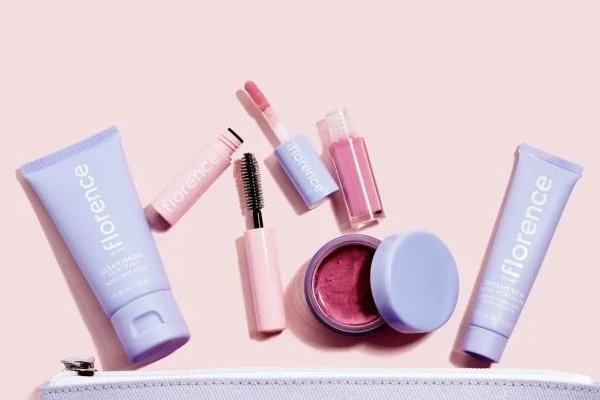
The size of your order directly influences packaging costs. Bulk orders typically reduce the cost per unit, but require larger upfront investments, while smaller orders tend to have a higher per-piece cost.
](https://jinlinpackaging.com/wp-content/uploads/2024/11/Production-Volume-and-Order-Size.jpg)
Volume Impact
| Order Size | Cost per Unit | Benefits |
|---|---|---|
| Small Orders | Higher | Flexibility, lower upfront cost |
| Medium Orders | Moderate | Balance between cost and quantity |
| Large Orders | Lower | Economies of scale[^6], reduced cost per unit |
Balancing order size with budget constraints ensures optimal cost management. Large orders benefit from economies of scale, significantly reducing the cost per unit as production runs increase. This approach is ideal for established brands with steady demand, allowing them to maximize savings through bulk purchasing. However, it requires a higher upfront investment and may lead to excess inventory if demand fluctuates. Medium orders offer a compromise, providing some cost savings while maintaining flexibility. Small orders, although more expensive per unit, offer greater flexibility and lower initial costs, making them suitable for startups or brands testing new products. Understanding the relationship between order size and cost helps businesses make strategic decisions that align with their financial and operational goals.
Technology and Manufacturing Process
Wondering how technology impacts packaging costs? Advanced technologies can enhance quality and efficiency, but they often require a significant upfront investment, influencing the final price of your cosmetic packaging.
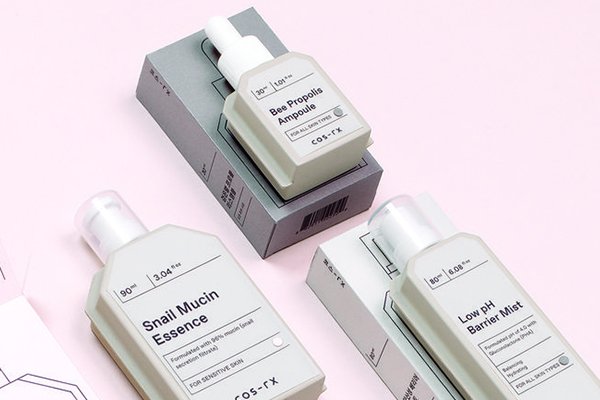
The use of advanced technology in cosmetic packaging improves quality and production efficiency but typically requires higher initial investment. This can lead to increased overall costs depending on the manufacturing processes used.
](https://jinlinpackaging.com/wp-content/uploads/2024/11/Technology-and-Manufacturing-Process.jpg)
Technological Factors
| Technology Type | Cost Implications | Advantages |
|---|---|---|
| Automated Machinery[^5] | High Initial Cost | Increased production speed |
| Digital Printing[^10] | Variable Cost | High customization capabilities |
| Eco-Friendly Processes[^4] | May Increase Costs | Sustainable and market-friendly |
| Precision Engineering[^5] | Higher Costs | Superior quality and durability |
Investing in the right technology enhances product quality and can lead to long-term savings. Automated machinery reduces labor costs and increases production speed, essential for meeting large order demands. Digital printing offers high customization capabilities, allowing for intricate designs and quick changes without significant setup costs. Eco-friendly processes, while potentially more expensive, cater to the growing demand for sustainable products and can improve brand reputation. Precision engineering ensures superior quality and durability, which is crucial for luxury cosmetic packaging but comes at a higher cost. Balancing technological investments with production needs and budget constraints is vital for maintaining competitiveness and ensuring high-quality packaging solutions.
Shipping and Logistics
Wondering how shipping impacts packaging costs? Transportation costs, including distance and shipping method, can significantly affect the final price of your cosmetic packaging. Let’s break down how logistics factor into pricing.
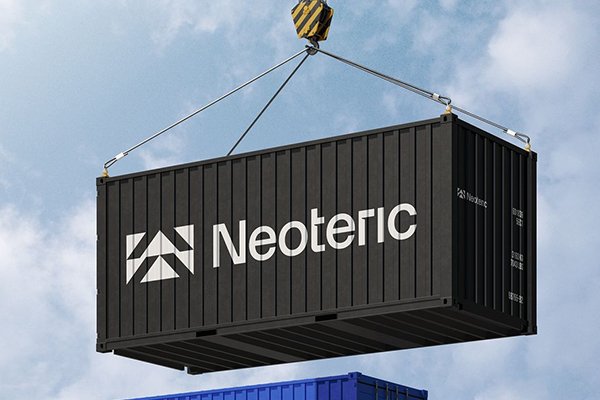
Shipping and logistics play a crucial role in determining the cost of cosmetic packaging. Factors like shipping method, distance, and volume can add to the overall price, influencing final packaging costs.
](https://jinlinpackaging.com/wp-content/uploads/2024/11/Shipping-and-Logistics.jpg)
Logistics Considerations
| Factor | Impact on Cost | Strategies to Mitigate Costs |
|---|---|---|
| Distance | Increases cost | Local sourcing |
| Shipping Method | Varies cost | Optimize packaging for transport |
| Bulk Shipping | Reduces cost per unit | Consolidate shipments |
| Customs and Duties | Adds to cost | Understand regulations |
Efficient logistics planning can significantly reduce expenses and improve delivery times. The distance between the manufacturing site and the destination affects shipping costs; sourcing locally can minimize these expenses. Choosing the appropriate shipping method—whether air, sea, or land—balances cost and delivery speed based on urgency and budget. Bulk shipping reduces the cost per unit by consolidating shipments, making it more economical for large orders. However, it requires careful planning to ensure inventory levels match demand. Navigating customs and duties is crucial for international shipments, as unexpected fees can increase costs. Understanding and complying with regulations in target markets can prevent delays and additional expenses. Implementing strategic logistics practices ensures timely and cost-effective delivery of cosmetic packaging.
Market Demand and Competition
Curious how market demand and competition affect packaging prices? High demand or intense competition can push prices up, requiring you to adopt competitive pricing strategies. Let’s explore this in detail.
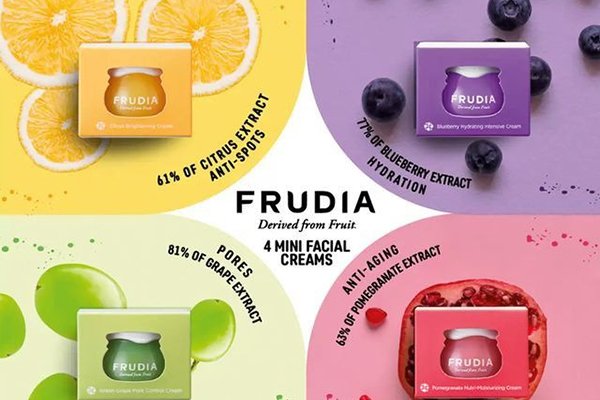
Market demand and competition play a significant role in determining the cost of cosmetic packaging. High demand can raise prices, while fierce competition may require adjustments in pricing strategies to remain competitive.
](https://jinlinpackaging.com/wp-content/uploads/2024/11/Market-Demand-and-Competition.jpg)
Market Dynamics
| Aspect | Impact on Pricing | Considerations |
|---|---|---|
| High Demand | Can Increase Prices | Leverage popularity |
| Intense Competition | May Lower Prices | Differentiate through quality |
| Trend Changes | Affect demand patterns | Stay updated with market trends |
| Consumer Preferences | Influence design choices | Align with target audience |
Understanding market trends helps in setting competitive and profitable pricing. High demand for certain packaging styles or materials can allow suppliers to increase prices, especially if the supply is limited. Conversely, intense competition may necessitate lower prices to remain attractive to buyers. Staying abreast of trend changes ensures that packaging designs remain relevant and appealing, avoiding obsolescence. Consumer preferences, such as the growing demand for sustainable packaging, influence design choices and can justify higher prices if they align with values that resonate with the target market. Balancing these market dynamics with production costs and business objectives is essential for establishing effective pricing strategies that enhance competitiveness and profitability.
How Does Packaging Affect Price
Wondering how packaging affects product pricing? The design, materials, and functionality of packaging are key factors that directly influence the final cost of cosmetic products. Let’s explore their impact.
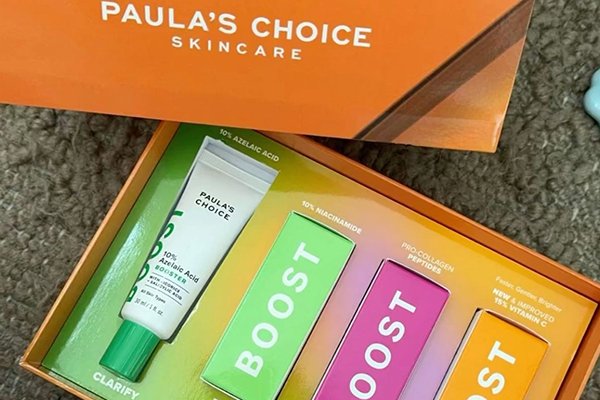
Packaging design, materials, and functionality are crucial elements that shape the pricing strategy of cosmetic products. These choices affect both production costs and consumer perception, influencing the final price.
](https://jinlinpackaging.com/wp-content/uploads/2024/11/How-Does-Packaging-Affect-Price.jpg)
Pricing Influence
| Packaging Aspect | Effect on Price | Impact on Product Perception |
|---|---|---|
| Material Quality | Higher costs | Perceived as premium |
| Design Complexity | Increased costs | Attracts target customers |
| Functionality | Variable costs | Enhances user experience |
| Sustainability | Can increase costs | Appeals to eco-conscious buyers |
Strategic packaging decisions enhance both product value and customer appeal. High-quality materials elevate the product’s perceived value, allowing for premium pricing. Complex designs can attract specific target customers who are willing to pay more for unique and aesthetically pleasing packaging. Functionality, such as ease of use or innovative features, can justify higher prices by improving the user experience. Sustainable packaging aligns with consumer values, particularly among eco-conscious buyers, and can support premium pricing if the sustainability aspect is effectively communicated. Conversely, cost-effective packaging solutions can make products more accessible to a broader market. Balancing these aspects ensures that packaging not only supports the product’s market positioning but also aligns with the overall pricing strategy.
Factors Influencing Packaging Decisions
Struggling to decide on the right packaging? Your choices should align with brand identity, target market, and budget. Let’s look at how these elements guide the decision-making process.
Packaging decisions are influenced by factors such as brand identity, target audience, and budget. Balancing these elements ensures that the packaging aligns with both business objectives and consumer expectations.
Decision-Making Factors
| Factor | Description | Influence on Packaging Choices |
|---|---|---|
| Brand Identity | Reflects brand values | Shapes design and materials |
| Target Market | Defines customer preferences | Influences style and functionality |
| Budget Constraints | Limits available resources | Determines material and design options |
| Regulatory Requirements | Ensures compliance | Affects packaging features |
Balancing these factors ensures packaging supports overall business objectives. Brand identity dictates the visual and tactile elements of packaging, ensuring consistency with the brand’s image and message. Understanding the target market’s preferences allows for designing packaging that resonates with consumers, enhancing appeal and fostering loyalty. Budget constraints require careful selection of materials and design elements that meet financial limitations without compromising quality. Regulatory requirements, such as labeling laws and safety standards, must be adhered to, influencing packaging features and materials. By evaluating these factors, businesses can make informed packaging decisions that support their brand, meet customer expectations, and comply with industry standards.
The Four Key Factors to Consider in Packaging
Choosing the right packaging can be overwhelming. Focusing on key factors such as materials, design, functionality, and cost will help you make informed decisions. Let’s dive into these essential considerations.
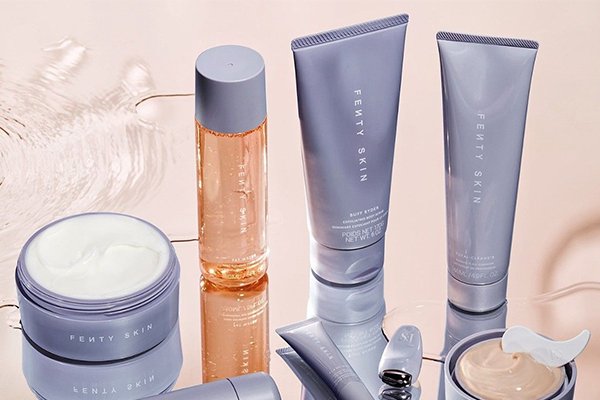
When selecting packaging, it's important to consider materials, design, functionality, and budget. These factors ensure that your packaging aligns with both your brand’s needs and your overall cost objectives.
](https://jinlinpackaging.com/wp-content/uploads/2024/11/The-Four-Key-Factors-to-Consider-in-Packaging.jpg)
Key Packaging Factors
| Factor | Importance | Key Considerations |
|---|---|---|
| Materials | Foundation of packaging | Durability, sustainability |
| Design | Attractiveness | Aesthetic appeal, brand alignment |
| Functionality | Usability | Ease of use, protection of product |
| Cost | Budget management | Balancing quality with affordability |
Focusing on these factors leads to effective and efficient packaging solutions. The choice of materials affects both the durability and sustainability of the packaging, crucial for protecting the product and meeting environmental standards. Design plays a significant role in attracting customers and ensuring that the packaging aligns with the brand’s identity, making it recognizable and appealing. Functionality ensures that the packaging is user-friendly, protecting the product while providing ease of use, which enhances customer satisfaction and repeat purchases. Managing costs involves balancing quality and affordability, ensuring that packaging meets financial goals without compromising on essential attributes. By prioritizing these key factors, businesses can develop packaging that not only looks good but also performs well in the market.
How Does Packaging Influence Purchasing?
Looking to boost sales? Attractive and functional packaging can influence consumer purchasing decisions. Let’s explore how packaging plays a critical role in shaping customer choices.
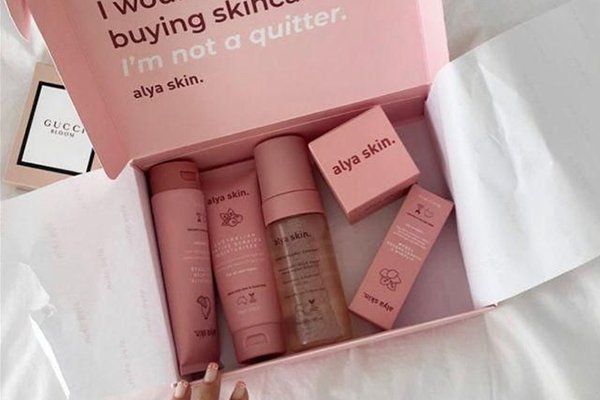
Packaging is a key factor in consumer purchasing decisions. Well-designed, functional packaging not only attracts attention but also influences the decision-making process, encouraging customers to choose your product over competitors.
](https://jinlinpackaging.com/wp-content/uploads/2024/11/How-Does-Packaging-Influence-Purchasing.jpg)
Purchasing Influence
| Packaging Element | Influence on Purchase | Consumer Behavior Impact |
|---|---|---|
| Visual Appeal | Attracts attention | Increases interest |
| Information Display | Educates consumers | Builds trust and credibility |
| Ease of Use | Enhances user experience | Encourages repeat purchases |
| Sustainability | Aligns with values | Appeals to eco-conscious buyers |
Effective packaging not only draws attention but also fosters trust and loyalty. Visual appeal is often the first interaction a consumer has with a product, making it essential for packaging to stand out on shelves and attract interest. Clear and informative information displays educate consumers about the product’s features and benefits, building trust and credibility. Ease of use, such as resealable containers or ergonomic designs, enhances the user experience, encouraging customers to repurchase and recommend the product to others. Sustainability in packaging resonates with eco-conscious consumers, aligning with their values and influencing their purchasing decisions. By addressing these elements, packaging can effectively drive consumer behavior, increasing sales and fostering long-term brand loyalty.
How Does Packaging Influence a Product’s Success?
Want to boost your product’s success? Packaging plays a vital role in brand perception and customer satisfaction, directly influencing how your product performs in the market.
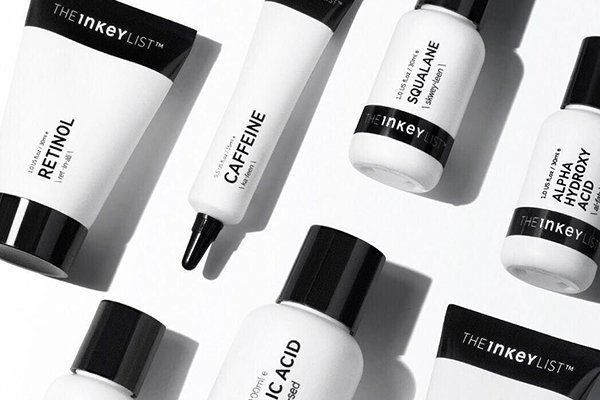
Packaging is crucial to a product’s success, as it affects brand perception, customer satisfaction, and market performance. Well-designed packaging can enhance consumer trust and influence their purchasing decisions.
](https://jinlinpackaging.com/wp-content/uploads/2024/11/How-Does-Packaging-Influence-a-Products-Success.jpg)
Success Factors
| Packaging Aspect | Impact on Success | Strategic Considerations |
|---|---|---|
| Brand Consistency | Strengthens brand image | Ensure alignment with brand message |
| Quality Perception | Influences perceived value | Use high-quality materials |
| Differentiation | Sets product apart | Unique design and features |
| Customer Experience | Enhances satisfaction | Focus on usability and aesthetics |
Strategic packaging decisions contribute to overall product performance and market success. Consistent packaging reinforces the brand image, making it easily recognizable and trustworthy to consumers. High-quality packaging materials enhance the perceived value of the product, allowing for premium pricing and attracting discerning customers. Differentiation through unique designs and features sets the product apart from competitors, making it more memorable and appealing in a crowded market. Focusing on customer experience by ensuring packaging is both functional and aesthetically pleasing increases satisfaction, leading to positive reviews and repeat business. These factors collectively influence how the product is received in the market, directly impacting its success and longevity.
Insights: The Factors That Influence the Price of Cosmetic Packaging
Struggling to control your packaging costs? Uncover the key factors that dictate cosmetic packaging prices and make informed decisions to optimize your budget.
Cosmetic packaging prices are influenced by material type, design complexity, production volume, customization needs, logistics, sustainability, and market positioning. Balancing these elements effectively ensures cost efficiency without sacrificing quality or brand appeal.
Key Influencing Factors
Material Type
The choice significantly impacts cost.
- Plastic: Cost-effective, lightweight.
- Glass/Aluminum: Expensive due to weight and fragility.
- Eco-Friendly: Higher cost but boosts brand value.
Design Complexity and Customization
- Complex Designs: Custom molds and intricate features elevate costs.
- Customization: Branding and unique designs increase expenses.
| Factor | Impact on Cost |
|---|---|
| Material Type | Plastic is cheaper; glass and sustainable options are costlier. |
| Design Complexity | Custom and intricate designs require higher investment. |
| Order Volume | Larger orders lower per-unit cost. |
| Decoration | Premium techniques like embossing add expense. |
Order Volume and Decoration
- MOQ: Larger volumes reduce per-unit costs.
- Decoration: Techniques like hot stamping enhance appeal but raise costs.
Logistics and Sustainability
- Shipping: Heavier, fragile materials increase logistics expenses.
- Sustainability: Eco-friendly packaging may initially cost more.
Understanding these elements allows brands to align packaging choices with budget constraints and brand goals, ensuring efficient production and appealing design without compromising on quality.
Conclusion
By considering materials, design, production volume, and market demand, you can make informed, cost-effective packaging decisions for your cosmetic products.


