Choosing the right cosmetic packaging material can be a challenge. With so many options available, how do you decide whether plastic, metal, or glass is the best fit for your brand?
Choosing the right cosmetic packaging depends on product type, market needs, and environmental impact. Plastic, metal, and glass each have unique benefits and drawbacks. Understanding these can help you make an informed decision that aligns with your brand’s goals and customer expectations.
Consider durability, cost, and appeal when choosing cosmetic packaging to ensure the best fit and maximum impact.
What is the Best Packaging for Cosmetics?
What makes one packaging material better than another for cosmetics? Let’s take a look at the different types and understand their unique benefits.
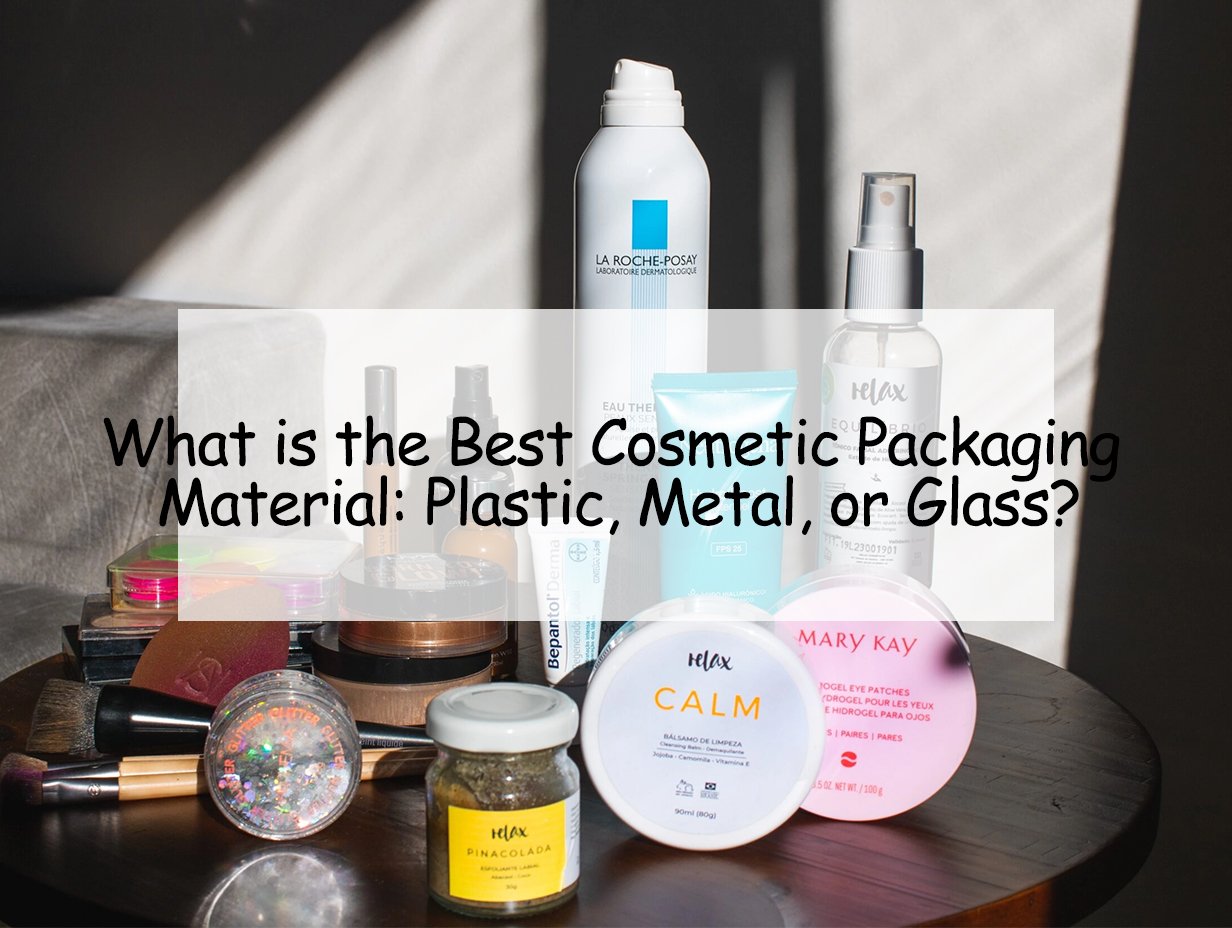
The best packaging for cosmetics depends on various factors like product protection, shelf life, and user experience. Plastic, metal, and glass each offer advantages that make them suitable for different types of products.
](https://jinlinpackaging.com/wp-content/uploads/2024/11/What-is-the-Best-Packaging-for-Cosmetics-2.jpg)
Factors That Determine the Best Packaging Material
The ideal cosmetic packaging material balances aesthetics, protection, and sustainability[^2]. Glass is commonly used for luxury skincare products due to its premium feel, while plastic is more affordable and versatile for everyday products. Metal packaging provides an elegant and durable option, particularly for products like deodorants, shaving creams, or sunscreens. The choice often depends on the product’s function and your brand's positioning in the market.
| Material | Cost | Durability | Aesthetic | Sustainability |
|---|---|---|---|---|
| Plastic | Low | Medium | Moderate | Low |
| Glass | High | High | Premium | Moderate |
| Metal | Medium | High | Elegant | High |
Is Plastic or Glass Better for Cosmetics?
Still debating whether plastic or glass is the better choice for your cosmetic packaging? Let’s explore their differences in more detail.
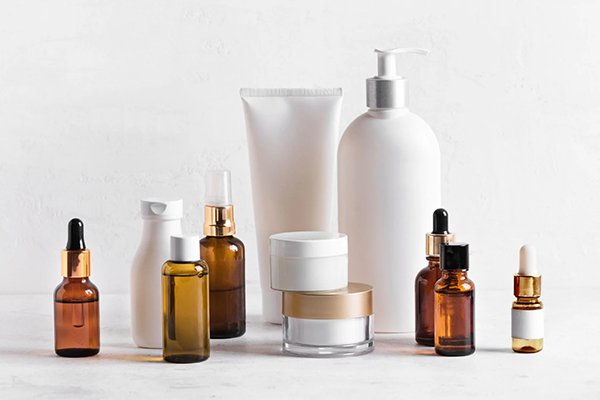
Plastic and glass both have their merits in cosmetic packaging, but the decision ultimately comes down to the product type and your brand values. Glass offers a premium experience, while plastic is more cost-effective and lightweight.
](https://jinlinpackaging.com/wp-content/uploads/2024/11/Is-Plastic-or-Glass-Better-for-Cosmetics-1.jpg)
Comparing Plastic and Glass for Cosmetics
| Material | Advantages | Disadvantages | Best For |
|---|---|---|---|
| Plastic | Lightweight, durable, cost-effective | Lacks luxury appeal | Daily use products like lotions or body creams |
| Glass | Premium, eco-friendly, enhances brand image | Heavier, more expensive | High-end beauty products |
Is Glass Packaging Better Than Plastic?
Is glass really superior to plastic for cosmetics, or is it just a matter of perception? Let's evaluate its advantages and challenges.
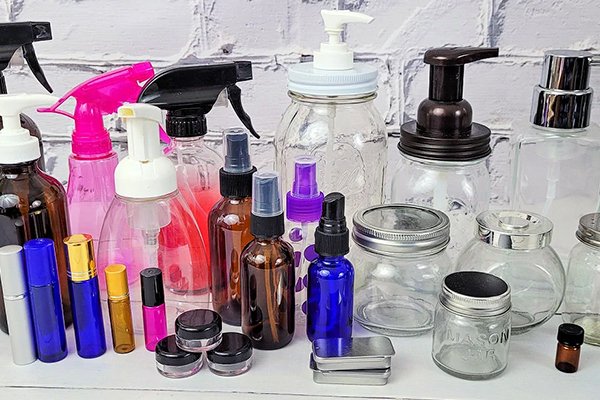
Glass packaging is often seen as superior due to its premium feel, ability to preserve product integrity, and eco-friendliness. However, its cost and weight can be limiting factors for some brands.
](https://jinlinpackaging.com/wp-content/uploads/2024/11/Is-Glass-Packaging-Better-Than-Plastic.jpg)
The Case for Glass Packaging
- Glass is strong and preserves product integrity.
- It is non-porous, maintaining product freshness.
- Glass has an eco-friendly reputation, appealing to conscious consumers.
- It is heavier and more costly, impacting shipping and pricing.
- Ideal for high-end or niche brands, with benefits often outweighing drawbacks.
What is the Best Type of Packaging Material?
Wondering which packaging material is best for your specific product? Let’s take a closer look at the factors that make one type of packaging material stand out over others.
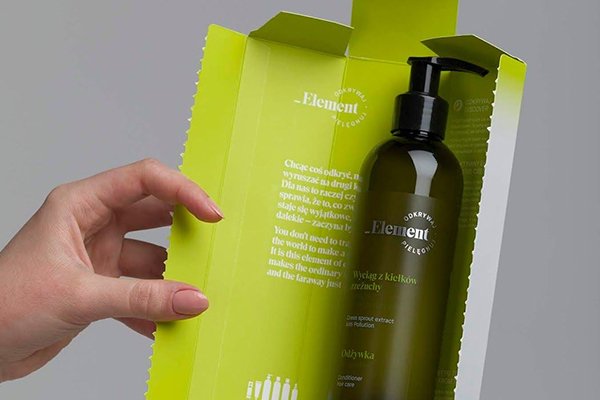
The best type of packaging material depends on the product's needs, its shelf life, and the target market. Each material offers unique benefits for different types of cosmetic products.
](https://jinlinpackaging.com/wp-content/uploads/2024/11/What-is-the-Best-Type-of-Packaging-Material.jpg)
Understanding Your Product’s Needs
The packaging material you choose should be aligned with the specific needs of your product. For example, if you’re creating a product that requires airless dispensing (like a serum), plastic is usually the best choice for both functionality and cost-efficiency. On the other hand, if you're marketing a luxury cream or fragrance, glass may be the preferred material due to its premium look and ability to protect sensitive formulations. For products that need to be both durable and eco-friendly, metal might be the right option, as it offers strength and recyclability.
What Packaging is Better Than Plastic?
Looking for alternatives to plastic packaging? Let’s explore some eco-friendly and sustainable options that might work for your cosmetics.
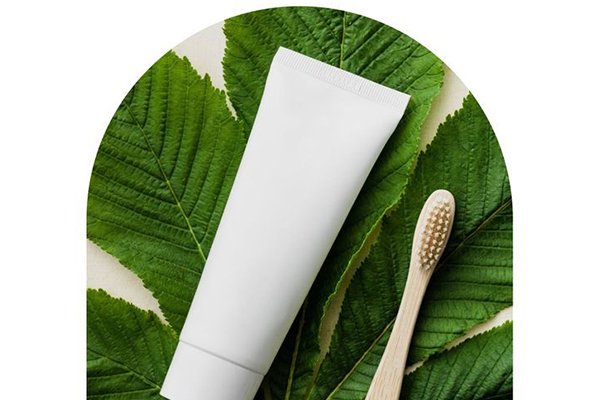
There are several packaging alternatives to plastic that are not only eco-friendly but also functional and aesthetically pleasing, like glass, metal, and bioplastics.
](https://jinlinpackaging.com/wp-content/uploads/2024/11/What-Packaging-is-Better-Than-Plastic.jpg)
Exploring Sustainable Packaging Options
If you’re looking to move away from traditional plastic, there are several viable alternatives available. Glass and metal are both excellent choices for eco-conscious brands. Both materials are infinitely recyclable and have a lower environmental impact compared to plastic. Additionally, bioplastics and recycled materials are gaining traction as sustainable options that can reduce environmental footprint. As consumers demand more eco-friendly packaging, brands are increasingly turning to these alternatives to meet market expectations.
What is a Good Quality Packaging?
Want to ensure your packaging quality is top-notch? Let’s define what makes packaging truly high-quality.
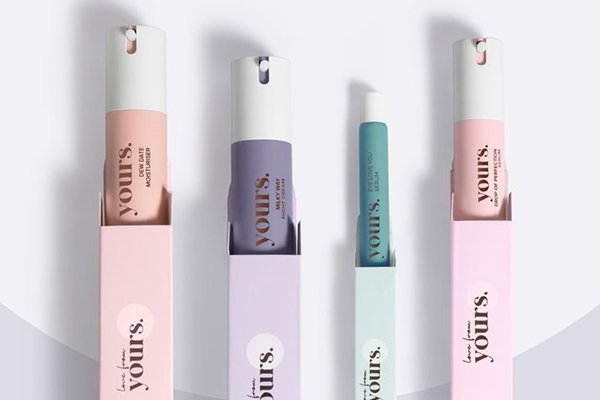
Good quality packaging not only protects the product but also enhances brand image, is functional, and aligns with sustainability goals.
](https://jinlinpackaging.com/wp-content/uploads/2024/11/What-is-a-Good-Quality-Packaging-1.jpg)
Key Features of Good Quality Packaging
High-quality packaging should be durable, functional, and visually appealing. It should protect the contents from external factors such as light, air, and moisture, while also being easy for consumers to use. Good quality packaging should also align with your brand values, especially if you’re marketing eco-friendly products. Whether you opt for plastic, glass, or metal, the material should be suitable for the product inside, ensuring both aesthetic appeal and practicality.
What Are the 4 C’s of Packaging?
Not sure what makes packaging truly effective? Let’s break down the four essential elements every package should have.
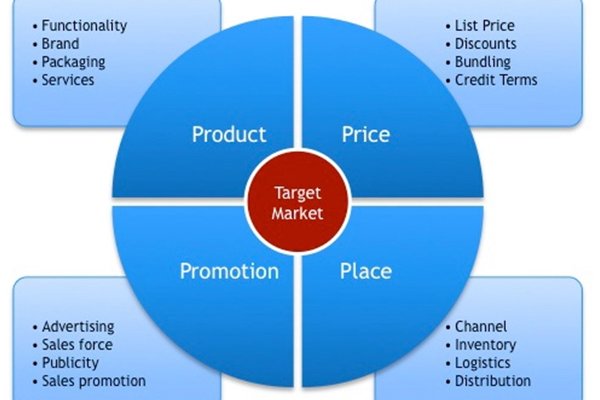
The 4 C’s of packaging—Cost, Convenience, Communication, and Consistency—are essential factors to consider when designing packaging for cosmetics.
](https://jinlinpackaging.com/wp-content/uploads/2024/11/What-Are-the-4-Cs-of-Packaging-1.jpg)
Understanding the 4 C’s of Packaging
The 4 C’s of packaging help guide the design process. Cost refers to keeping packaging affordable while maintaining quality. Convenience ensures ease of use for consumers. Communication refers to how well the packaging conveys the brand’s message and product information. Consistency ensures that the packaging aligns with the brand's overall aesthetic and experience. By balancing these four elements, you can create packaging that appeals to your target market while also being practical and cost-effective.
How Do I Choose the Right Packaging for My Product?
Choosing the right packaging for your cosmetics is more than just picking a material. It requires understanding your product's needs and aligning it with the right packaging solution.
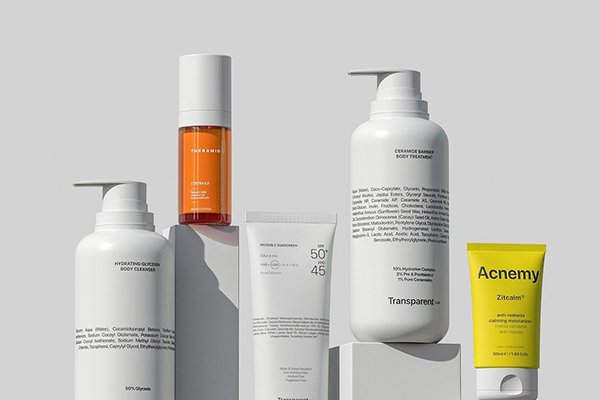
The right packaging for your product depends on factors like product type, target market, and sustainability goals. Carefully consider the material and functionality that will best support your brand’s values.
](https://jinlinpackaging.com/wp-content/uploads/2024/11/How-Do-I-Choose-the-Right-Packaging-for-My-Product.jpg)
Key Considerations in Packaging Selection
To choose the right packaging, consider the product’s shelf life, the protection it needs, and the convenience of use for your customers. Sustainability is also a key factor—eco-conscious consumers are increasingly looking for brands that use recyclable or biodegradable packaging materials. Depending on your product's positioning, you may choose plastic, metal, or glass for its aesthetic, functionality, or eco-friendliness.
What is the Ideal Quality of Packaging Material?
What does ideal packaging material quality look like? Let’s dive into the factors that define high-quality packaging for cosmetics.
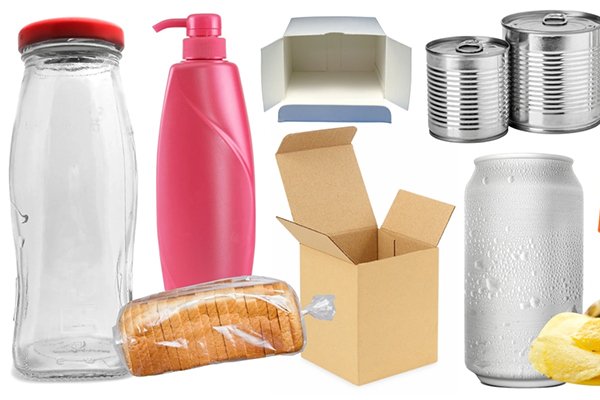
The ideal packaging material should be durable, functional, aesthetically appealing, and environmentally responsible, ensuring both product protection and brand alignment.
](https://jinlinpackaging.com/wp-content/uploads/2024/11/What-is-the-Ideal-Quality-of-Packaging-Material.jpg)
Defining the Ideal Packaging Material
| Criteria | Description |
|---|---|
| Durability | Withstands shipping and handling, prevents contamination, protects product integrity |
| Brand Reflection | Luxurious glass for premium products or eco-friendly materials for sustainability |
| Functionality | Ease of use, prevents waste |
| Balance | Effectively combines durability, brand reflection, and functionality |
Insights: The Best Cosmetic Packaging Material: Plastic, Metal, or Glass
Choosing the right cosmetic packaging material can transform your product’s appeal and sustainability—how do you decide between plastic, metal, and glass?
The best cosmetic packaging material depends on brand priorities. Glass offers luxury and preservation, plastic provides affordability and convenience, while metal ensures durability and protection, each catering to different product needs.
Comparing Packaging Materials
Glass
- Pros: Provides a premium look, is chemically inert, recyclable, and excellent for preserving product integrity.
- Cons: Heavy, fragile, and increases shipping costs.
- Best For: Luxury items like skincare serums and premium cosmetics.
Plastic
- Pros: Lightweight, durable, cost-effective, and versatile, making it ideal for portable and everyday products.
- Cons: Potential chemical interaction and less eco-friendly unless recycled.
- Best For: Lotions, creams, and products requiring convenience.
Metal
- Pros: Lightweight, shatterproof, protects against light and air, and recyclable.
- Cons: Limited design options and less commonly used in cosmetics.
- Best For: Specialty items needing protection, such as light-sensitive products.
| Material | Pros | Cons | Best For |
|---|---|---|---|
| Glass | Premium, inert, recyclable | Heavy, breakable | Luxury products |
| Plastic | Lightweight, cost-effective | Less eco-friendly | Everyday use |
| Metal | Durable, protective | Limited designs | Protective packaging |
The choice hinges on whether the focus is on luxury and sustainability, cost and practicality, or durability and protection. Aligning packaging choice with brand goals can enhance consumer perception and satisfaction.
Conclusion
Choosing the right cosmetic packaging material is a delicate balance of cost, aesthetics, protection, and sustainability. By understanding the pros and cons of plastic, metal, and glass, you can make an informed decision that aligns with your brand’s goals and meets consumer expectations.