Struggling to differentiate your skincare products? Poor packaging can undermine your brand. Exceptional packaging not only boosts visibility but also enhances your product’s appeal.
Skincare packaging is crucial for consumer attraction, product protection, and eco-friendly alignment. Selecting the right packaging elevates your brand’s image and meets market trends. It combines functionality and aesthetics, ensuring product integrity while appealing to eco-conscious consumers, ultimately boosting your brand’s success in a competitive market.
Dive into this article to uncover how to craft standout packaging that meets both functional and aesthetic needs.
What Is Skincare Packaging Made Of?
Is your packaging working for you? The right materials protect products and communicate your brand’s values. Choosing the right option can boost both product quality and sustainability.
Skincare packaging is often made from a variety of materials, including plastics, glass, metals, and sustainable options like biodegradable plastics and recycled glass. The choice of material affects both product performance and brand perception.
](https://jinlinpackaging.com/wp-content/uploads/2024/11/What-Is-Skincare-Packaging-Made-Of.jpg)
Material Choices and Their Impact
Different materials offer various benefits. Understanding these can help you make informed decisions that align with your brand and environmental goals.
Plastics are widely used due to their versatility and cost-effectiveness. They are lightweight, making them ideal for transportation and reducing shipping costs. However, environmental concerns arise as many plastics are not biodegradable, contributing to pollution. To mitigate this, eco-friendly alternatives like biodegradable plastics are gaining popularity. These materials break down more easily, reducing environmental impact.
Glass offers a premium feel and is fully recyclable, making it a favorite among high-end skincare brands. It provides excellent protection for sensitive products, ensuring they remain uncontaminated. However, glass is heavier and more fragile, which can increase shipping costs and the risk of breakage during handling.
Metals, such as aluminum, are durable and provide excellent barrier properties against light and air, which can degrade skincare products. Metals are also recyclable, adding to their sustainability credentials. The downside is that metal packaging can be more expensive and may limit design flexibility compared to plastics.
Sustainable materials like recycled glass and biodegradable plastics are increasingly important as consumers demand more eco-friendly options. These materials not only reduce environmental impact but also enhance the brand’s image as responsible and forward-thinking.
| Material | Pros | Cons |
|---|---|---|
| Plastic | Lightweight, versatile, cost-effective | Environmental concerns, not biodegradable |
| Glass | Premium feel, recyclable, inert | Heavier, more fragile, higher cost |
| Metal | Durable, excellent barrier properties | Can be expensive, limited design options |
| Biodegradable Plastics | Eco-friendly, reduces carbon footprint | May have limited durability |
| Recycled Materials | Sustainable, reduces waste | Quality can vary, sourcing challenges |
Selecting the right material depends on your brand values, product type, and target market preferences. For instance, eco-friendly skincare brands might prefer biodegradable plastics or recycled glass to appeal to environmentally conscious consumers.
How to Design Cosmetics Packaging: The Ultimate Guide
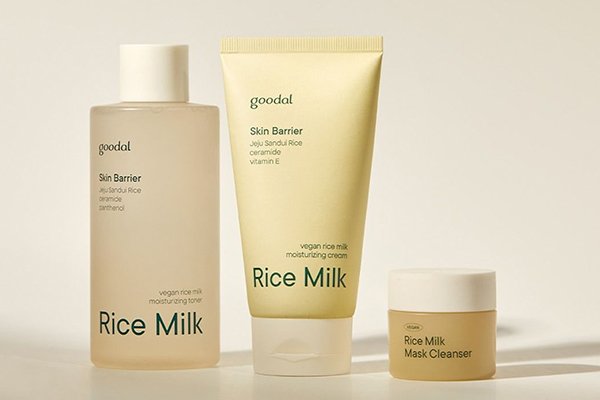
Are you struggling to balance aesthetics with function? Great packaging is not just about looks; it must protect, preserve, and communicate your brand effectively to stand out in a crowded market.
Effective cosmetics packaging blends creativity with functionality, ensuring product protection while enhancing brand messaging. It captures attention, safeguards contents, and aligns with customer values.
](https://jinlinpackaging.com/wp-content/uploads/2024/11/How-to-Design-Cosmetics-Packaging-The-Ultimate-Guide.jpg)
Steps to Designing Exceptional Packaging
-
Understand Your Brand: Your packaging should reflect your brand’s identity and values. If your brand emphasizes luxury, opt for high-quality materials and elegant designs. For eco-friendly brands, use sustainable materials and minimalist designs.
-
Know Your Audience: Design with your target customer in mind, considering their preferences and needs. For example, if your primary customers are environmentally conscious, eco-friendly packaging will resonate more with them.
-
Choose the Right Materials: Select materials that align with your brand and product requirements. Sustainable materials can enhance your brand’s image and appeal to eco-minded consumers.
-
Focus on Functionality: Ensure the packaging protects the product and is user-friendly. Consider features like easy-to-open caps, secure seals, and ergonomic designs that enhance the user experience.
-
Incorporate Aesthetics: Use colors, fonts, and graphics that make your packaging visually appealing. Consistent branding elements like logos and color schemes help in brand recognition.
-
Sustainability: Consider eco-friendly options to appeal to environmentally conscious consumers. Sustainable packaging can differentiate your brand and contribute to environmental conservation.
-
Compliance: Ensure your packaging meets all regulatory requirements for your market. This includes proper labeling, ingredient listings, and safety standards.
By following these steps, you can create packaging that stands out on the shelf and resonates with your customers.
What Makes a Good Packaging Design?
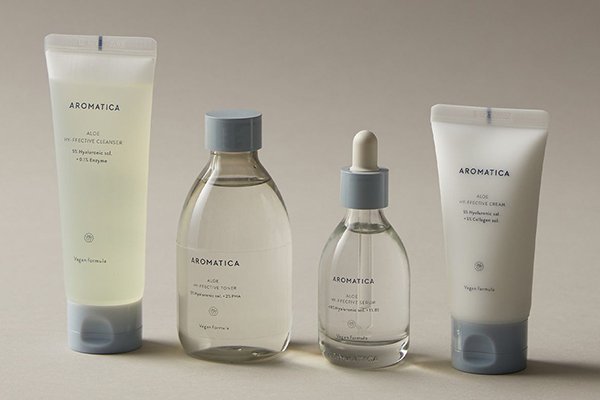
Is your packaging leaving the right impression? Good packaging design goes beyond just looks—it must be functional, user-friendly, and represent your brand’s core values to create a cohesive experience.
Good packaging design is a balance of functionality, aesthetics, and brand messaging. It improves usability, attracts attention, and communicates essential product details clearly and effectively.
](https://jinlinpackaging.com/wp-content/uploads/2024/11/What-Makes-a-Good-Packaging-Design-1.jpg)
Key Elements of Good Packaging Design
-
Visual Appeal: Attractive colors and designs that catch the eye are essential. The visual elements should align with the brand’s identity and the product’s purpose.
-
Functionality: Packaging should be easy to open, use, and store. Consider the user experience from the moment they see the product to the moment they use it.
-
Durability: The packaging must protect the product from damage during transportation and handling. Durable packaging ensures that the product arrives in perfect condition, maintaining its integrity and quality.
-
Brand Consistency: The design should reflect the brand’s identity and values. Consistent use of logos, colors, and fonts helps in building brand recognition and loyalty.
-
Informative: Provide necessary information like ingredients, usage instructions, and branding elements. Clear labeling helps consumers make informed decisions and builds trust in the product.
-
Sustainability: Using eco-friendly materials and practices where possible can appeal to environmentally conscious consumers and support sustainable business practices.
A good packaging design seamlessly integrates these elements, creating a positive experience for the consumer and supporting the product’s success in the market.
How Do I Make My Product Packaging Stand Out?
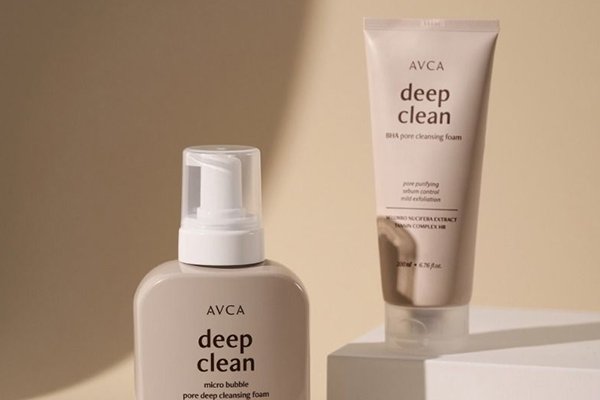
Is your packaging getting lost in the crowd? To stand out, your packaging must be unique and memorable, offering something different that attracts consumers and builds lasting brand loyalty.
Unique packaging captures attention and sets your product apart from competitors. It enhances brand recognition and encourages repeat purchases by creating a distinctive and engaging consumer experience.
](https://jinlinpackaging.com/wp-content/uploads/2024/11/How-Do-I-Make-My-Product-Packaging-Stand-Out.jpg)
Strategies to Make Packaging Stand Out
-
Innovative Shapes and Structures: Use unconventional shapes or structures that catch the eye. Unique packaging shapes can make your product instantly recognizable and memorable.
-
Vibrant Colors and Patterns: Bold colors and unique patterns can make your packaging more noticeable on the shelf. Colors should align with your brand identity and evoke the right emotions.
-
High-Quality Materials: Premium materials can convey a sense of luxury and quality, making your product appear more desirable.
-
Personalization: Custom packaging with personalized messages or designs can enhance customer connection and loyalty. Personalized packaging can also make the unboxing experience more special.
-
Interactive Elements: Incorporate elements like QR codes or augmented reality features for engagement. Interactive packaging can provide additional value and information to consumers, enhancing their experience.
-
Sustainable Practices: Eco-friendly packaging can attract environmentally conscious consumers and differentiate your brand as responsible and forward-thinking.
-
Clear Branding: Ensure your brand logo and message are prominently displayed and easily recognizable. Consistent branding helps in building brand recognition and loyalty.
Implementing these strategies can help your product packaging stand out and attract more customers. By focusing on uniqueness and creativity, you can create packaging that not only captures attention but also reinforces your brand’s identity and values.
What Makes Packaging Appealing?
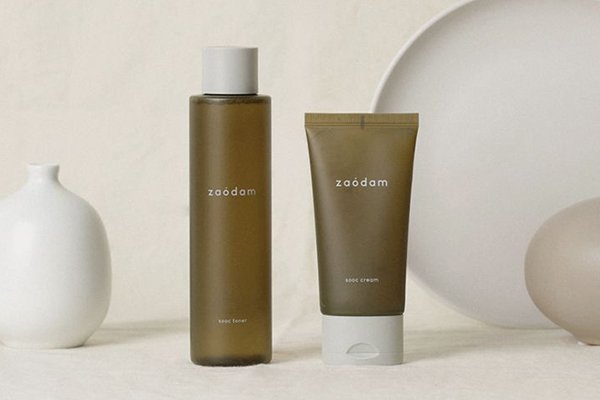
Is your packaging truly appealing? The right design doesn’t just look good—it captures attention, enhances user experience, and aligns perfectly with your product’s quality and brand identity.
Appealing packaging draws consumers in by being visually attractive, user-friendly, and aligned with the brand’s message. It creates a positive first impression and influences purchase decisions.
](https://jinlinpackaging.com/wp-content/uploads/2024/11/What-Makes-Packaging-Appealing.jpg)
Elements That Enhance Packaging Appeal
-
Color Scheme: Colors evoke emotions and can influence buying behavior. Choosing the right color palette can attract the right audience and convey the brand’s message effectively.
-
Typography: Clear and attractive fonts improve readability and brand recognition. The typography should be consistent with the brand’s identity and easy to read.
-
Imagery and Graphics: High-quality images and graphics can communicate the product’s benefits and brand story. Visual elements should be relevant and enhance the overall design.
-
Texture and Finish: Tactile elements like matte finishes or embossing add a premium feel and make the packaging more engaging to touch.
-
Shape and Size: Unique shapes and convenient sizes can make the product more appealing and practical for consumers. The packaging should be easy to handle and store.
-
Transparency: Clear packaging allows consumers to see the product, building trust and interest. Transparency can also highlight the product’s quality and features.
-
Minimalism: Clean and simple designs can convey elegance and focus on essential information. Minimalist packaging often appears more modern and sophisticated.
By focusing on these elements, you can create packaging that is not only attractive but also functional and aligned with your brand’s values. An appealing design enhances the overall user experience and increases the likelihood of repeat purchases.
What Are the Four Factors to Consider in Packaging?
Unsure how to create packaging that ticks all the boxes? To succeed, it’s crucial to balance functionality, design, sustainability, and cost. Focusing on these four factors can help meet both business and consumer expectations.
Effective packaging design must address functionality, aesthetics, sustainability, and cost. Balancing these four elements ensures packaging enhances the product's success while aligning with brand values.
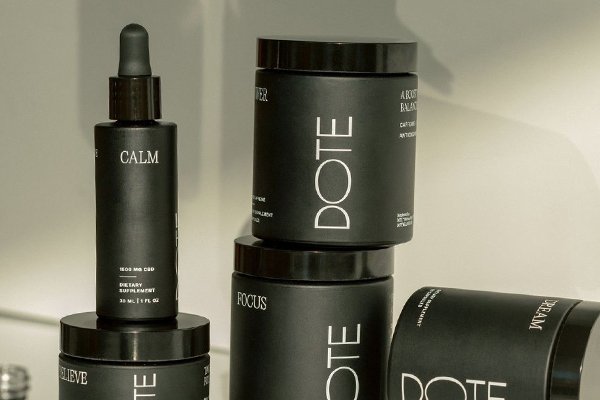](https://jinlinpackaging.com/wp-content/uploads/2024/11/What-Are-the-Four-Factors-to-Consider-in-Packaging.jpg)
The Four Essential Packaging Factors
-
Functionality: The packaging must protect the product, be easy to use, and convenient for storage and transportation. Functional packaging ensures that the product remains intact and accessible to consumers.
-
Aesthetics: Visual appeal is crucial for attracting consumers and conveying the brand’s identity. Aesthetic packaging stands out on the shelf and creates a positive first impression.
-
Sustainability: Eco-friendly packaging appeals to environmentally conscious consumers and supports sustainable practices. Sustainable packaging can reduce environmental impact and enhance the brand’s image.
-
Cost: Balancing quality and cost is essential to maintain profitability while delivering value to consumers. Cost-effective packaging solutions help in keeping the product affordable without compromising on quality.
Balancing the Four Factors
| Factor | Importance | Considerations |
|---|---|---|
| Functionality | Ensures product safety and user satisfaction | Durability, ease of use, protection |
| Aesthetics | Attracts customers and communicates brand identity | Design, color, typography, imagery |
| Sustainability | Meets consumer demand for eco-friendly options | Material choice, recyclability, biodegradability |
| Cost | Maintains profitability and competitive pricing | Material costs, production efficiency, scalability |
Balancing these factors helps create packaging that not only looks good but also performs well and aligns with your business goals. Each factor plays a critical role in the overall effectiveness of the packaging, contributing to both the consumer experience and the brand’s success in the market.
What Makes a Product Aesthetically Pleasing or Eye-Catching?
Does your packaging capture attention at first glance? Aesthetically pleasing design is essential for making a strong first impression. The right visual appeal can entice consumers to engage with your product.
Aesthetic packaging combines elements like color, shape, texture, and design to create an eye-catching and memorable look that draws in consumers and enhances brand appeal.
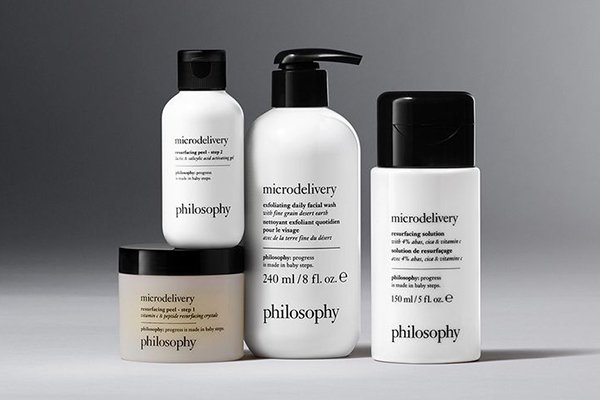](https://jinlinpackaging.com/wp-content/uploads/2024/11/What-Makes-a-Product-Aesthetically-Pleasing-or-Eye-Catching.jpg)
Components of Aesthetic Packaging
-
Color Palette: Choosing colors that reflect the brand and evoke the desired emotions is fundamental. Colors can influence perceptions and attract specific demographics.
-
Typography: Selecting fonts that are readable and align with the brand’s personality enhances communication and brand recognition. Consistent typography reinforces the brand’s identity.
-
Imagery: High-quality images or illustrations that enhance the packaging’s appeal can communicate the product’s benefits and brand story effectively. Relevant imagery connects with the consumer on a visual level.
-
Shape and Form: Unique shapes can make the product stand out on shelves. Innovative shapes also contribute to the overall aesthetic and user experience.
-
Texture and Finish: Tactile elements like embossing or matte finishes add depth and interest, making the packaging more engaging to touch.
-
Minimalism vs. Complexity: Balancing simplicity with intricate details creates visual interest without overwhelming the consumer. Minimalist designs often appear more modern and elegant, while complex designs can showcase creativity and uniqueness.
Creating Visual Harmony
Achieving aesthetic appeal involves creating a cohesive design where all elements work together seamlessly. Here’s a table to guide the process:
| Element | Considerations | Impact on Aesthetics |
|---|---|---|
| Color | Brand alignment, emotional response | Sets mood, attracts attention |
| Typography | Readability, style | Enhances message clarity, brand identity |
| Imagery | Quality, relevance | Communicates product benefits, brand story |
| Shape | Uniqueness, practicality | Differentiates product, ease of use |
| Texture | Tactile experience, finish quality | Adds perceived value, sensory appeal |
| Layout | Balance, hierarchy | Guides the consumer’s eye, emphasizes key info |
By thoughtfully integrating these components, you can design packaging that is not only eye-catching but also reinforces your brand’s identity and values. Aesthetic packaging creates a memorable experience that can significantly influence purchasing decisions and foster brand loyalty.
How Do You Make High-Quality Packaging?
Want your packaging to reflect excellence? High-quality packaging doesn’t happen by accident. It requires selecting the right materials, precise production, and meticulous design to deliver superior results.
High-quality packaging uses premium materials, flawless production processes, and thoughtful design to ensure durability, aesthetic appeal, and functionality, all while enhancing brand image.
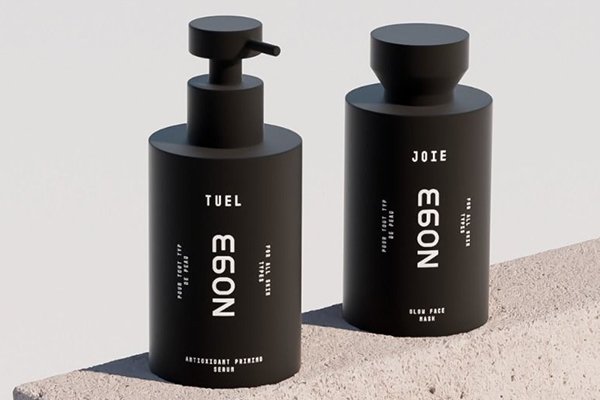](https://jinlinpackaging.com/wp-content/uploads/2024/11/How-Do-You-Make-High-Quality-Packaging.jpg)
Steps to Achieve High-Quality Packaging
-
Material Selection: Choose materials that offer durability and align with your brand’s sustainability goals. High-quality materials not only protect the product but also enhance its perceived value.
-
Design Precision: Invest in professional design to ensure the packaging is both attractive and functional. A well-designed package communicates the brand’s professionalism and attention to detail.
-
Quality Control: Implement strict quality control measures during production to maintain consistency and reliability. Regular inspections and testing help in identifying and addressing issues early.
-
Customization: Offer custom features like unique shapes, colors, and branding elements to differentiate your product. Customized packaging can make your product more memorable and aligned with your brand’s identity.
-
Supplier Partnerships: Work with reputable suppliers who prioritize quality and can meet your specifications. Reliable suppliers ensure that the materials and components used in your packaging meet high standards.
-
Testing: Conduct thorough testing to ensure the packaging protects the product and performs well under various conditions. Testing for durability, usability, and functionality helps in creating reliable packaging.
-
Feedback Incorporation: Gather and incorporate feedback from customers to continually improve packaging quality. Understanding consumer preferences and pain points can guide enhancements and innovations.
Ensuring Consistency and Reliability
Maintaining high-quality packaging requires ongoing efforts to monitor and enhance production processes. Here’s how to ensure consistency:
| Aspect | Action Steps | Benefits |
|---|---|---|
| Material Quality | Source from reliable suppliers, conduct inspections | Ensures durability and brand reputation |
| Design Standards | Use standardized templates, professional designers | Maintains visual consistency across products |
| Production Processes | Automate where possible, regular maintenance | Reduces errors and increases efficiency |
| Quality Checks | Implement checkpoints at each production stage | Detects issues early, maintains standards |
| Training | Educate staff on quality expectations and techniques | Enhances skill levels, ensures compliance |
| Continuous Improvement | Regularly review and update processes | Keeps packaging up-to-date with trends |
By focusing on these areas, you can produce high-quality packaging that enhances your product’s appeal and supports your brand’s reputation. Consistent quality builds trust with consumers and fosters long-term loyalty.
Insights: Makes Skincare Packaging Truly Exceptional
Elevate your brand with skincare packaging that captures attention, ensures quality, and champions sustainability, setting you apart in a crowded market.
Truly exceptional skincare packaging combines brand alignment, high-quality materials, innovative design, functionality, eco-friendliness, and clear branding. It protects the product while engaging customers and reflecting brand values effectively.
Key Elements of Exceptional Skincare Packaging
Functionality and Protection
- Preservation: Use airless pumps and sealed containers to maintain product integrity and prevent contamination.
- User-Friendly: Ensure designs are easy to use, enhancing consumer satisfaction.
Aesthetics and Brand Identity
- Visual Impact: Incorporate unique shapes, luxurious materials, and sophisticated designs that attract attention.
- Brand Alignment: Ensure packaging reflects brand story and values to foster deeper consumer connections.
| Aspect | Description |
|---|---|
| Functionality | Airless pumps, easy-to-use designs |
| Aesthetics | Unique shapes, luxurious materials, sophisticated design |
| Brand Identity | Reflects brand story, values, and market positioning |
Transparency and Sustainability
- Clear Information: Labels should clearly present ingredients, usage instructions, and sustainability claims to build trust.
- Eco-Friendly Solutions: Utilize recyclable or biodegradable materials to appeal to environmentally conscious consumers.
By focusing on these elements, skincare packaging not only delivers practical benefits but also enhances brand prestige and fosters long-term loyalty in today’s discerning market.
Conclusion
Exceptional skincare packaging combines superior quality, innovative design, and sustainability to enhance brand appeal and consumer trust.