When designing luxury cosmetic packaging, achieving perfect print quality is essential. Water transfer printing can bring intricate designs to life, but several technical aspects must be mastered for flawless results.
Water transfer printing provides a refined method to apply intricate patterns on cosmetic packaging. By understanding its technical steps, you can enhance product quality and ensure long-lasting results. This approach also supports eco-friendly practices, helping your brand align with sustainable values while maintaining a high standard of packaging aesthetics.
Enhance your cosmetic packaging with precise designs. Explore water transfer printing techniques to achieve stunning and sustainable results.
How Does Water Transfer Printing Work?
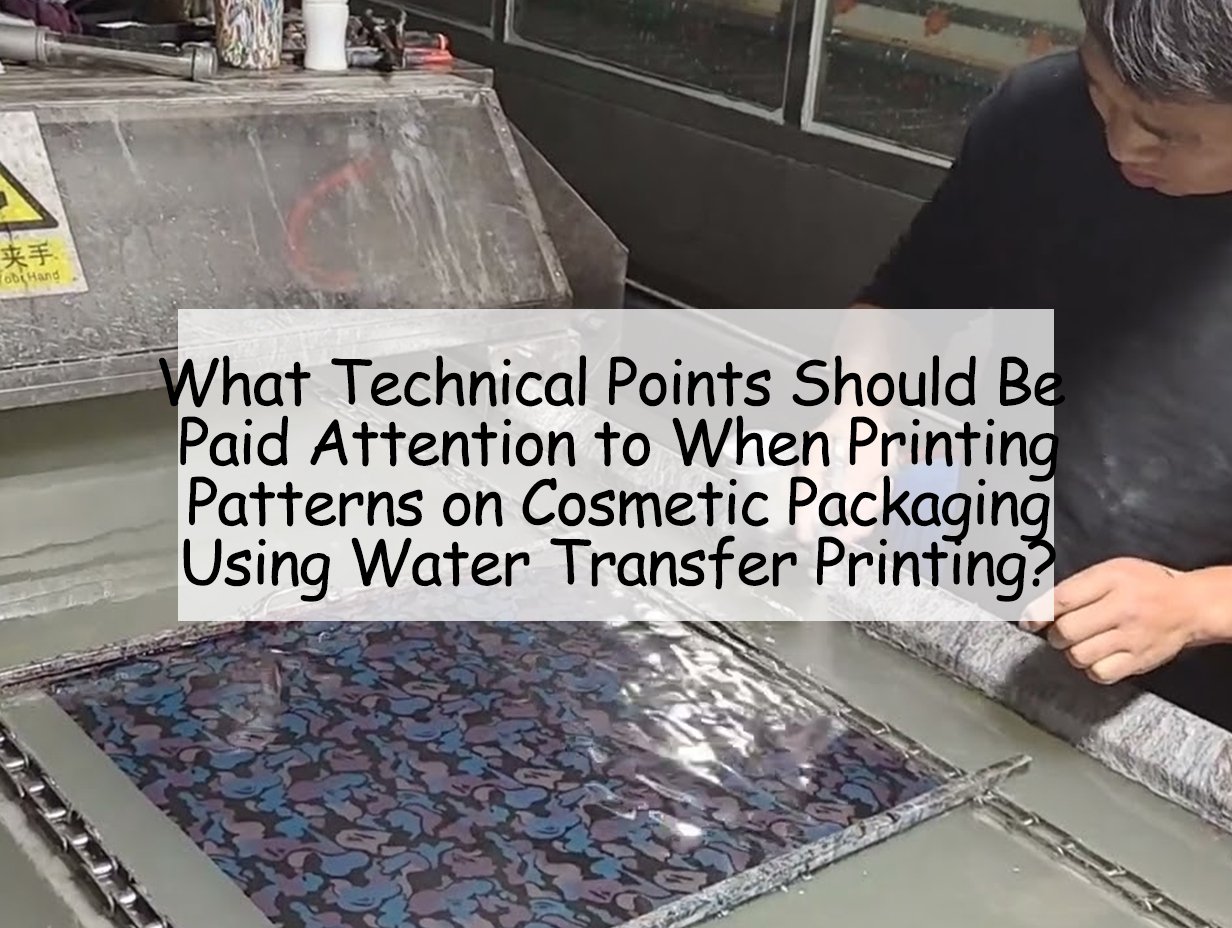
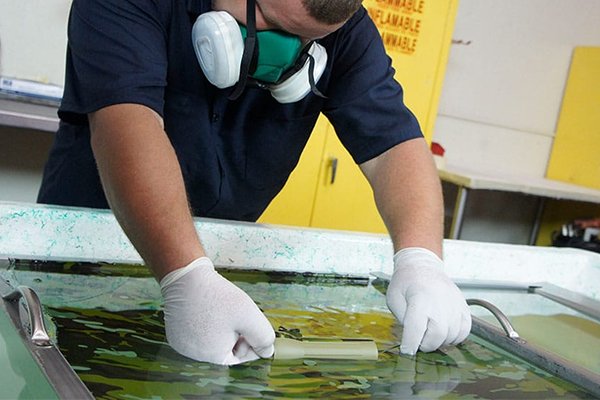
Water transfer printing can elevate cosmetic packaging, but achieving perfect results requires attention to detail. By understanding the process, you can ensure intricate patterns are flawlessly applied to your packaging.
Water transfer printing is an effective method for applying complex patterns to cosmetic packaging. This process ensures high-quality designs on various surfaces, making your packaging more visually appealing and distinctive.
](https://jinlinpackaging.com/wp-content/uploads/2024/11/How-Does-Water-Transfer-Printing-Work.jpg)
The Process Breakdown
Water transfer printing involves several critical steps to ensure the design adheres correctly and looks flawless on the cosmetic packaging.
| Step | Description |
|---|---|
| Preparation | Clean and prepare the surface of the cosmetic package. |
| Film Selection | Choose the appropriate water transfer film based on the desired design. |
| Application | Immerse the product in water, allowing the film to adhere evenly. |
| Curing | Dry and cure the product to set the design permanently. |
Understanding each step ensures the final product meets high-quality standards. Proper preparation and film selection are essential for achieving the desired luxury cosmetic packaging look. By meticulously following each stage, manufacturers can produce unique and visually appealing cosmetic packages that stand out in the market.
What Type of Print Technique Would Be Good to Develop Prints on a Plastic Bottle?
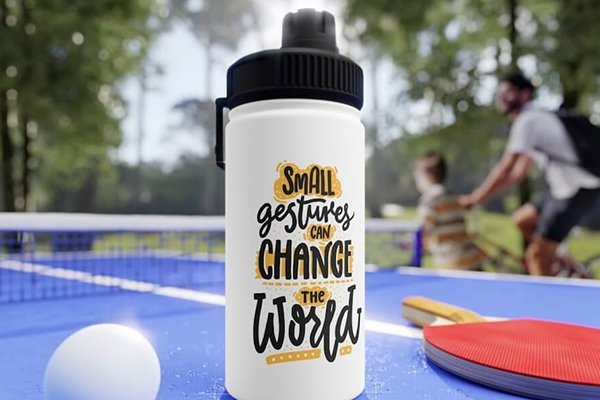
Choosing the right printing technique is crucial for ensuring both the durability and visual appeal of cosmetic packaging. Water transfer printing offers a versatile and precise solution, particularly for plastic bottles.
Water transfer printing is ideal for applying detailed designs to cosmetic packaging, especially plastic bottles. This method ensures high-quality, long-lasting prints that enhance both the appearance and durability of luxury cosmetics.
](https://jinlinpackaging.com/wp-content/uploads/2024/11/What-Type-of-Print-Technique-Would-Be-Good-to-Develop-Prints-on-a-Plastic-Bottle.jpg)
Comparing Print Techniques
Different print techniques offer various benefits and drawbacks. Understanding these can help in selecting the best method for cosmetic packaging needs.
| Technique | Advantages | Disadvantages |
|---|---|---|
| Water Transfer Printing | High detail, versatile surfaces | Requires precise control |
| Screen Printing | Cost-effective for large runs | Limited to simpler designs |
| Digital Printing | Fast and customizable | May lack durability |
Water transfer printing offers a balance of detail and adaptability, making it ideal for plastic bottles in the cosmetic industry. Its ability to handle complex patterns and conform to various shapes ensures that luxury cosmetic packaging maintains a high standard of visual appeal and durability.
How Do You Print with Water-Based Inks?
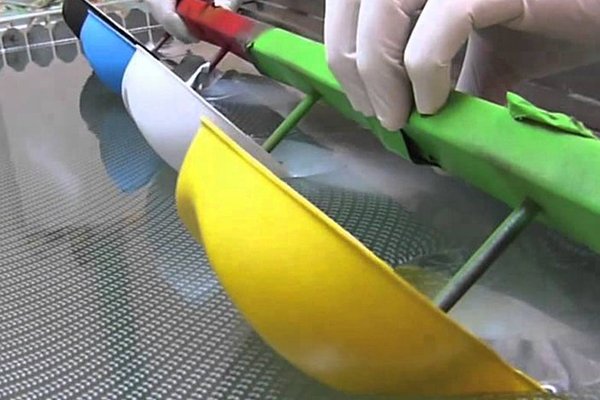
Water-based inks are an eco-friendly and effective choice for water transfer printing. They provide vibrant colors and smooth finishes, aligning with the growing demand for sustainable cosmetic packaging solutions.
Water-based inks are an environmentally friendly option for water transfer printing. They offer vibrant colors and smooth finishes on cosmetic packaging while supporting sustainability trends in the cosmetic industry.
Benefits of Water-Based Inks
Water-based inks offer several advantages that make them suitable for cosmetic packaging.
- Eco-Friendly: Reduces environmental impact compared to solvent-based inks, appealing to sustainability-conscious consumers.
- Versatile: Adheres well to different surfaces like plastic and glass, making it ideal for various cosmetic packages.
- Vibrant Colors: Provides rich and lasting color quality, enhancing the visual appeal of luxury cosmetic products.
Incorporating water-based inks not only supports sustainable packaging initiatives but also ensures that the cosmetic packaging remains visually appealing and durable. This approach meets both environmental standards and consumer expectations for high-quality packaging.
Choosing the Right Water Transfer Film
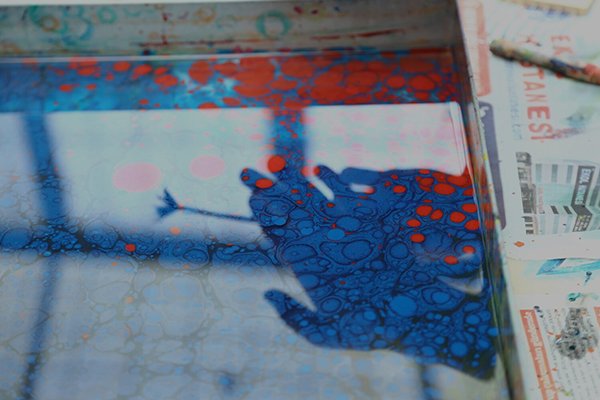
The success of water transfer printing relies heavily on selecting the right transfer film. A mismatch between the film and the packaging surface can affect the final design quality and durability.
Choosing the right transfer film is crucial in water transfer printing. It ensures the design adheres properly and maintains its integrity over time, helping achieve high-quality cosmetic packaging that lasts.
](https://jinlinpackaging.com/wp-content/uploads/2024/11/Choosing-the-Right-Water-Transfer-Film.jpg)
Factors to Consider
Selecting the appropriate water transfer film involves evaluating several key factors to ensure compatibility and quality.
| Factor | Importance |
|---|---|
| Design Complexity | Determines the level of detail achievable |
| Surface Type | Ensures compatibility with the packaging material |
| Durability | Affects the longevity of the printed pattern |
Considering these factors helps in choosing a film that not only matches the aesthetic requirements but also ensures the durability of the cosmetic packaging. A well-selected transfer film contributes to the overall quality and uniqueness of the packaging, making it stand out in the competitive cosmetic market.
Surface Preparation Before Water Transfer Printing
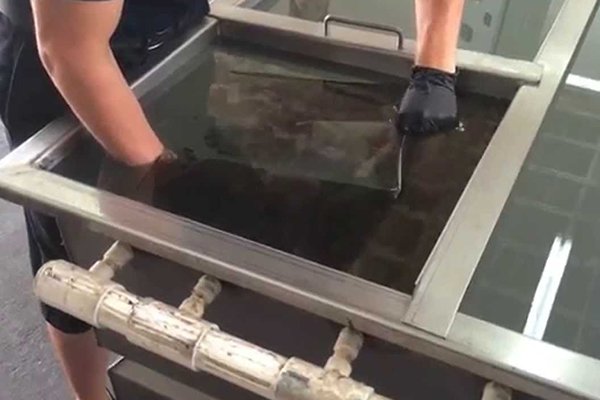
Proper surface preparation is key to achieving flawless water transfer printing. Without a clean and smooth surface, designs may not adhere properly, leading to defects that affect the overall quality of the cosmetic packaging.
Surface preparation is essential for successful water transfer printing. A clean and smooth surface ensures that the design adheres properly, preventing defects and ensuring high-quality, durable cosmetic packaging.
](https://jinlinpackaging.com/wp-content/uploads/2024/11/Surface-Preparation-Before-Water-Transfer-Printing.jpg)
Steps for Surface Preparation
Effective surface preparation involves several steps to create an ideal base for printing.
- Cleaning: Remove any dirt, grease, or residues from the packaging surface using appropriate cleaning agents.
- Sanding: Smooth out any imperfections to create an even surface, which helps in achieving a uniform print.
- Priming: Apply a suitable primer to enhance ink adhesion, ensuring the design remains intact during handling and use.
Thorough surface preparation enhances the overall appearance and durability of the cosmetic packaging. It ensures that the water transfer printing process results in high-quality, attractive packaging that reflects the luxury and sophistication of the cosmetic brand.
Controlling Water Temperature and Pressure
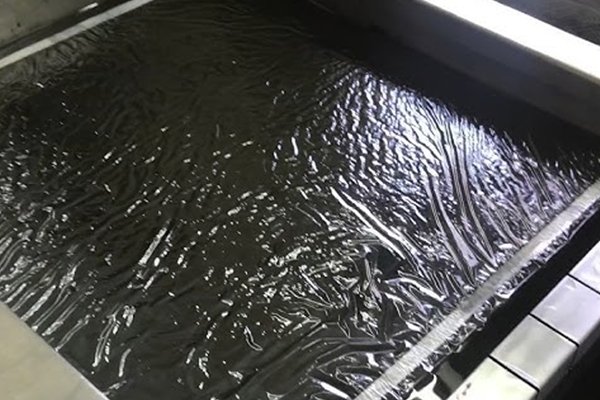
Maintaining the right water temperature and pressure is crucial for water transfer printing. Without proper control, the ink flow and film adherence can be compromised, affecting the quality of the final print.
Water temperature and pressure control are vital for successful water transfer printing. Proper management ensures smooth and consistent design application, leading to high-quality cosmetic packaging with flawless prints.
](https://jinlinpackaging.com/wp-content/uploads/2024/11/Controlling-Water-Temperature-and-Pressure.jpg)
Optimal Conditions
Achieving optimal water temperature and pressure is crucial for successful printing.
| Condition | Recommendation |
|---|---|
| Water Temperature | 25-30°C for optimal ink flow |
| Water Pressure | Moderate pressure to avoid distortions |
| Time | Sufficient immersion time for complete transfer |
Monitoring and adjusting these parameters ensures high-quality and uniform printing results. Consistent control of temperature and pressure helps in achieving precise and vibrant patterns, which are essential for luxury cosmetic packaging.
Drying and Curing After Printing
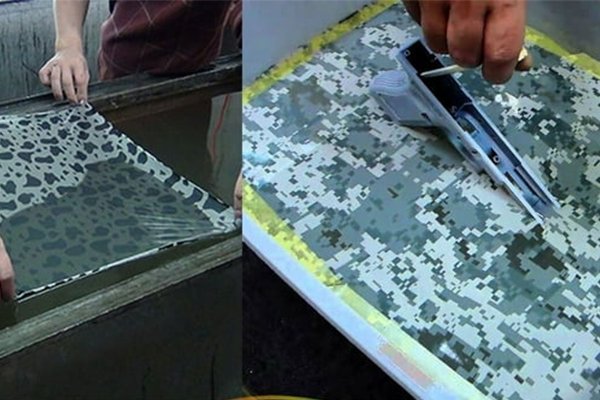
After transferring the design, proper drying and curing are essential to ensure the ink sets properly. Without this critical step, the printed design may fade or smudge, affecting the final packaging quality.
Drying and curing are essential steps in water transfer printing. They prevent smudging and ensure the durability of the printed design, preserving the quality and longevity of the cosmetic packaging.
](https://jinlinpackaging.com/wp-content/uploads/2024/11/Drying-and-Curing-After-Printing.jpg)
Best Practices
Implementing best practices for drying and curing enhances the quality of the final product.
- Drying Time: Allow adequate time for the ink to dry completely to prevent smudging and ensure clarity.
- Curing Methods: Use controlled heat or UV curing to strengthen the ink bond, making the design more durable.
- Quality Checks: Inspect for any imperfections before final packaging to ensure only high-quality products reach the market.
These steps guarantee that the cosmetic packaging maintains its quality and visual appeal over time, reflecting the brand's commitment to excellence.
Testing and Quality Control
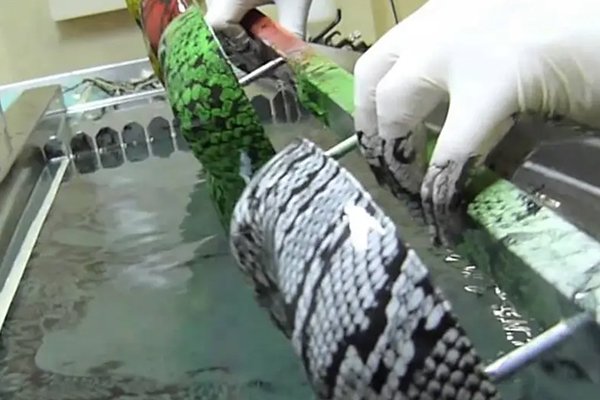
Rigorous testing and quality control are essential in water transfer printing for cosmetic packaging. Without these measures, inconsistency and defects may compromise the packaging's quality, affecting brand reputation.
Testing and quality control are crucial for water transfer printing. These measures help identify and address issues early, ensuring consistent, high-quality cosmetic packaging that upholds the brand's reputation.
](https://jinlinpackaging.com/wp-content/uploads/2024/11/Testing-and-Quality-Control.jpg)
Quality Control Measures
Adopting comprehensive quality control measures ensures the final product meets the highest standards.
| Measure | Purpose |
|---|---|
| Visual Inspection | Detect any defects or inconsistencies |
| Adhesion Testing | Ensure the design adheres properly to the surface |
| Durability Testing | Verify the longevity of the printed pattern |
Regular testing and quality control maintains high standards and ensures customer satisfaction with the final product. By identifying and addressing issues early in the process, cosmetic packaging manufacturers can deliver reliable and attractive packaging solutions that meet both client and consumer expectations.
Conclusion
Mastering water transfer printing guarantees precise, durable, and visually appealing cosmetic packaging, elevating brand value and product appeal.