Eco-friendly packaging is more than just a trend—it's a necessity. Finding the best eco-friendly plastic containers can be tough, but it's essential for sustainability and brand image.
Selecting eco-friendly cosmetic packaging requires evaluating recyclability, compostability, and design. Opt for materials like glass, recycled plastics, or biopolymers that reduce carbon footprint while maintaining the product’s visual appeal. Align choices with consumer demand for sustainability without compromising on functionality or aesthetics.
Let’s take a closer look at what makes eco-friendly packaging stand out and why it’s so important for your cosmetic products.
What Defines Eco-Friendly Cosmetic Packaging?
Consumers today expect more from brands. Eco-friendly packaging has become a vital part of that expectation. So, how do we define it?
Eco-friendly cosmetic packaging is made from sustainable materials like recycled plastics or bioplastics. These materials help reduce the environmental footprint while still serving their purpose.
](https://jinlinpackaging.com/wp-content/uploads/2024/11/What-Defines-Eco-Friendly-Cosmetic-Packaging.jpg)
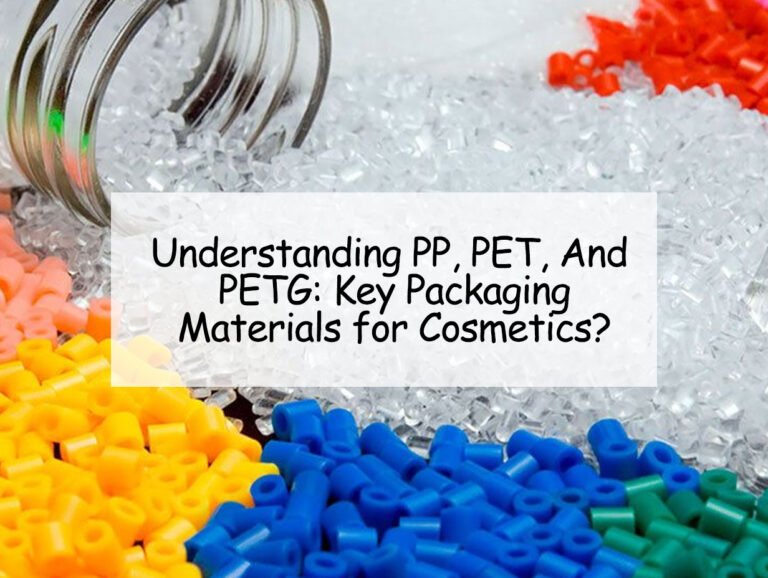
To truly understand what makes packaging eco-friendly, we need to look at the materials. Materials such as PET (Polyethylene Terephthalate) and HDPE (High-Density Polyethylene) are commonly used in packaging. These plastics are widely recycled and can help brands meet eco-friendly standards. On the other hand, bioplastics, which are derived from renewable sources like cornstarch or sugarcane, offer another eco-conscious alternative. These materials are biodegradable, making them a sustainable choice, especially in industries like cosmetics where the lifecycle of packaging is a significant concern.
Choosing eco-friendly packaging isn't just about the material; it's about the overall design as well. Brands should consider whether their packaging is reusable, recyclable, or compostable. By integrating these features, you create a truly eco-friendly product that resonates with today’s environmentally aware consumers.
Eco-Friendly Materials
| Material | Recyclable | Biodegradable | Renewable Source | Common Uses |
|---|---|---|---|---|
| PET | Yes | No | No | Bottles, Jars |
| HDPE | Yes | No | No | Bottles, Containers |
| Bioplastics | Yes | Yes | Yes | Containers, Caps |
How to Balance Aesthetics and Functionality in Eco-Friendly Containers?
Balancing aesthetics and functionality can be tricky. How do you make your packaging eco-friendly without sacrificing visual appeal?
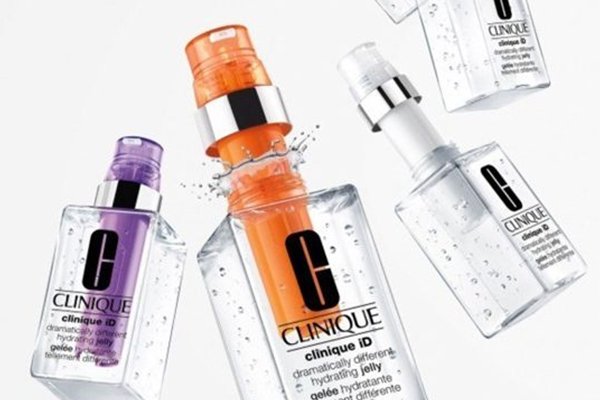
Eco-friendly containers should be both practical and visually appealing. Using clear plastic or sleek designs can enhance the product’s look while maintaining sustainability.
](https://jinlinpackaging.com/wp-content/uploads/2024/11/How-to-Balance-Aesthetics-and-Functionality-in-Eco-Friendly-Containers.jpg)
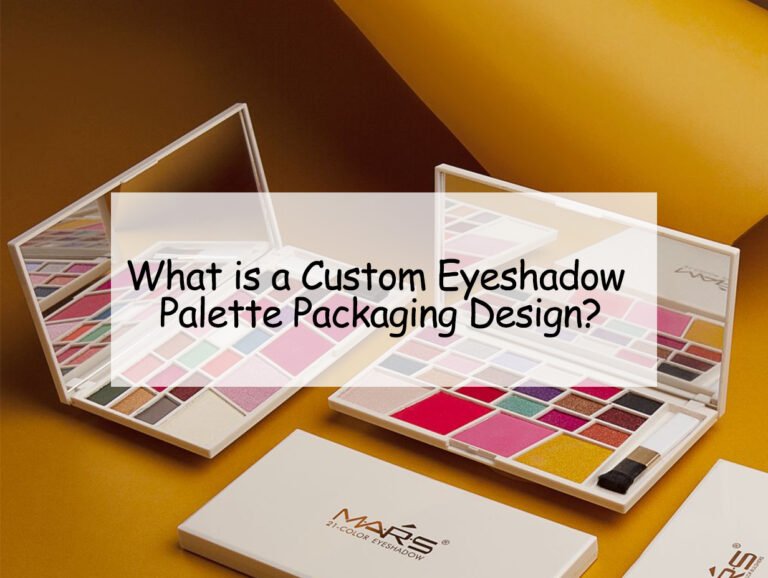
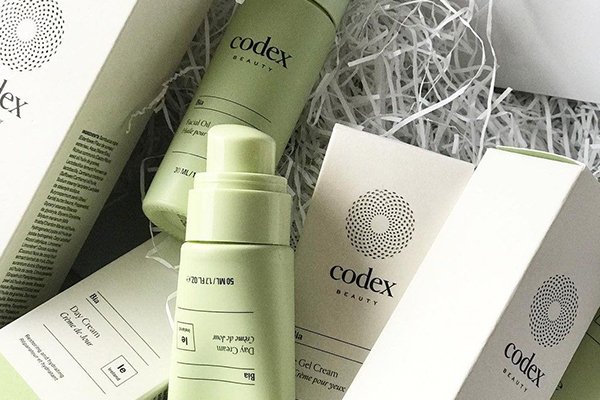
Aesthetics play a huge role in the appeal of cosmetic products. Customers are drawn to beautiful, high-quality packaging. At the same time, they expect the packaging to align with environmental values. Clear plastics like PET can be designed in elegant ways, showcasing the product inside while still being recyclable.
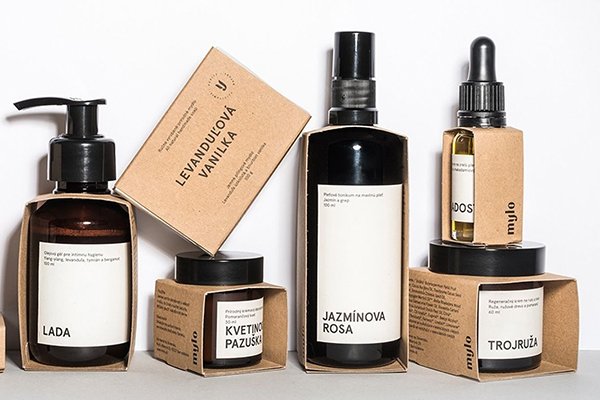
Sleek, minimalist designs are gaining popularity. This approach not only reduces the amount of plastic used but also adds a modern, stylish touch. Companies can also consider using recycled materials for the container itself, ensuring that the packaging stays sustainable while still offering a premium look.
Incorporating recycled materials into the design also has an added benefit—consumers appreciate the transparency. By displaying the material composition on the packaging, brands can show their commitment to sustainability. This openness helps build trust with consumers who are increasingly making their purchasing decisions based on the environmental impact of products.
Eco-Friendly & Aesthetic Packaging
| Design Feature | Benefit | Example Usage |
|---|---|---|
| Minimalist Design | Reduces material use, modern look | Lipstick tubes, Lotion bottles |
| Clear Plastic | Showcases product, recyclable | Skincare bottles, Jars |
| Recycled Materials | Sustainable, eco-conscious | Packaging for various cosmetics |
Why Is It Important to Partner with Reliable Suppliers?
Partnering with unreliable suppliers can jeopardize the sustainability and quality of your products. How can you ensure consistent quality while maintaining eco-friendly practices?
Reliable suppliers are essential for securing consistent, high-quality materials that meet sustainability standards. They offer certifications, timely deliveries, and transparency, ensuring your packaging stays eco-friendly and on-brand.
](https://jinlinpackaging.com/wp-content/uploads/2024/11/Why-Is-It-Important-to-Partner-with-Reliable-Suppliers.jpg)
When sourcing eco-friendly packaging, finding reliable suppliers is essential. A trustworthy supplier will not only deliver high-quality products but will also provide proper certifications that confirm the materials meet environmental standards.
Logistics play a critical role as well. Timely delivery ensures that your product reaches the market on schedule, preventing any disruptions in your supply chain. By working with suppliers who understand your needs and can communicate effectively, you reduce the chances of delays or errors in your order.
It’s also vital to select suppliers who are transparent about their sourcing practices. Suppliers who can provide proof of sustainability certifications and eco-friendly materials ensure that your brand stays true to its environmental promises. This transparency builds trust with both consumers and stakeholders.
Supplier Evaluation Table
| Criteria | Importance | Example Actions |
|---|---|---|
| Quality Control | Ensures product consistency | Supplier audits, Material testing |
| Certification | Verifies sustainability claims | Requesting eco-certifications |
| Delivery Reliability | Prevents delays and disruptions | Establishing clear lead times |
What Are the Market Trends in Eco-Friendly Cosmetic Packaging?
Eco-friendly packaging is no longer a trend—it’s the future. As the demand for sustainability grows, how are cosmetic brands adapting to stay relevant?
The eco-friendly cosmetic packaging market is evolving with new trends, including the rise of sustainable materials, innovative designs, and the increasing demand for recyclable and reusable packaging.
](https://jinlinpackaging.com/wp-content/uploads/2024/11/What-Are-the-Market-Trends-in-Eco-Friendly-Cosmetic-Packaging.jpg)
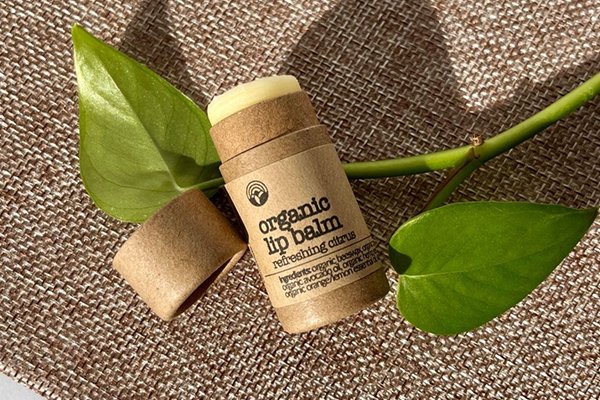
The demand for sustainable cosmetic packaging is increasing, and several market trends are driving this change. Biodegradable plastics, recycled materials, and refillable packaging are all becoming more common. Brands are increasingly adopting circular economy models, which focus on recycling and reusing materials to minimize waste.
The shift toward eco-friendly packaging also aligns with consumer demand for more responsible brands. Consumers are more informed than ever about the environmental impact of their purchases. They are looking for brands that not only provide high-quality products but also take steps to reduce their carbon footprint.
Packaging innovations, such as airless pump bottles made from recycled plastic, are gaining popularity. These designs are not only eco-friendly but also enhance the functionality of the packaging by ensuring that the product is dispensed without waste.
Market Trend Summary Table
| Trend | Impact | Example Usage |
|---|---|---|
| Biodegradable Plastics | Reduces long-term environmental impact | Biodegradable shampoo bottles |
| Refillable Packaging | Encourages reuse and reduces waste | Refillable skincare jars |
| Recycled Materials | Helps close the loop in the packaging lifecycle | Recycled plastic cosmetic bottles |
Insights: Selecting Eco-Friendly Plastic Containers for Cosmetic Products
Want to reduce your environmental footprint while boosting your brand appeal? Discover how eco-friendly packaging can transform your cosmetic line.
Choosing eco-friendly plastic containers involves selecting materials like recycled plastics, biodegradable options, and plant-based alternatives. Prioritize sustainable designs that promote reuse and minimal waste, aligning packaging choices with brand values and consumer expectations for sustainability.
Eco-Friendly Packaging
1. Material Selection
- Recycled Plastics: Use post-consumer recycled (PCR) materials to reduce waste.
- Biodegradable and Plant-Based: Opt for biodegradable plastics or options derived from renewable sources like sugarcane.
2. Design and Functionality
- Reuse and Minimalism: Encourage refillable designs and reduce excess material.
- Product Protection: Ensure containers provide UV protection and airtightness.
3. Brand and Consumer Appeal
- Eco-Conscious Image: Clearly label sustainable materials to build trust.
- Unique Materials: Consider bamboo for a distinctive, natural aesthetic.
| Feature | Details |
|---|---|
| Material Choices | Recycled, biodegradable, plant-based |
| Design Strategies | Reusable, minimalist, protective |
| Consumer Engagement[^5] | Transparent labeling, brand alignment |
Choosing eco-friendly cosmetic packaging involves integrating sustainable materials, functional designs, and brand values to enhance environmental impact and consumer connection.
Conclusion
In conclusion, choosing eco-friendly plastic containers involves balancing sustainability, aesthetics, and functionality. By partnering with reliable suppliers and keeping an eye on market trends, you can ensure your packaging is both eco-conscious and effective.