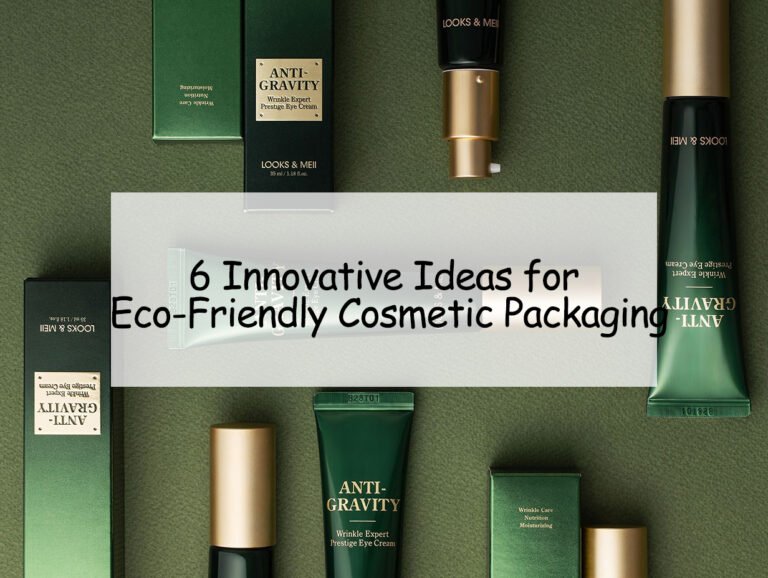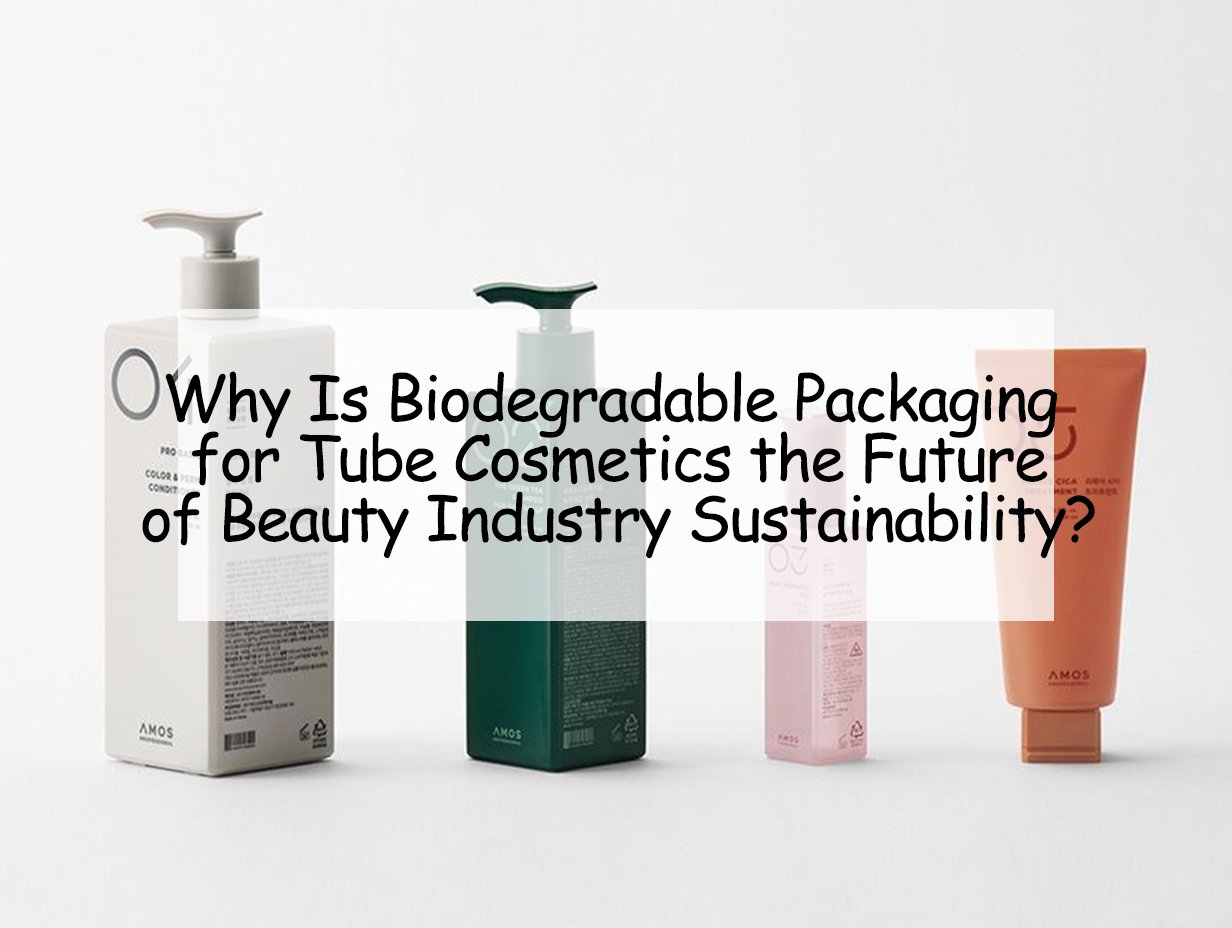
Worried about your beauty products' environmental impact? Biodegradable packaging reduces waste, promoting a sustainable and cleaner future.
Biodegradable packaging offers a sustainable solution for cosmetics, enabling brands to lower their environmental impact and meet eco-friendly consumer demands. This shift promotes a greener beauty industry by aligning product packaging with sustainability goals, enhancing brand credibility, and attracting environmentally conscious customers.
Curious about the benefits of biodegradable packaging? Keep reading to discover why it's becoming a must-have for brands aiming to lead in sustainability.
What Is Biodegradable Tube Cosmetic Packaging?
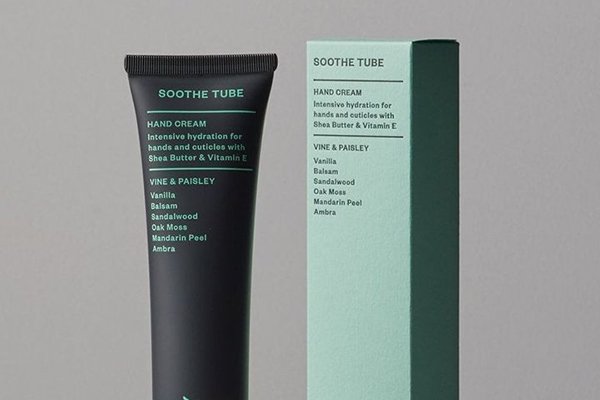
Traditional cosmetic packaging contributes to environmental harm, but biodegradable tube packaging offers a sustainable alternative. It decomposes naturally, helping brands meet consumer demands for eco-friendly solutions.
Biodegradable tube cosmetic packaging is designed to decompose naturally, using eco-friendly materials. This sustainable approach helps reduce waste and supports brands in achieving their environmental goals, aligning with consumer expectations.
](https://jinlinpackaging.com/wp-content/uploads/2024/11/What-Is-Biodegradable-Tube-Cosmetic-Packaging.jpg)
Understanding Biodegradable Materials
Biodegradable packaging is made from natural or bio-based materials. Common materials include:
| Material | Benefits | Challenges |
|---|---|---|
| PLA (Polylactic Acid) | Renewable and compostable | Limited heat resistance |
| PHA (Polyhydroxyalkanoates) | Biodegrades in various environments | Higher cost compared to plastics |
| Cellulose-Based | Renewable and recyclable | Less durable than synthetic plastics |
These materials help reduce reliance on fossil fuels and decrease plastic pollution. By choosing biodegradable options, brands contribute to a healthier planet.
Why Are Brands Turning to Biodegradable Packaging?
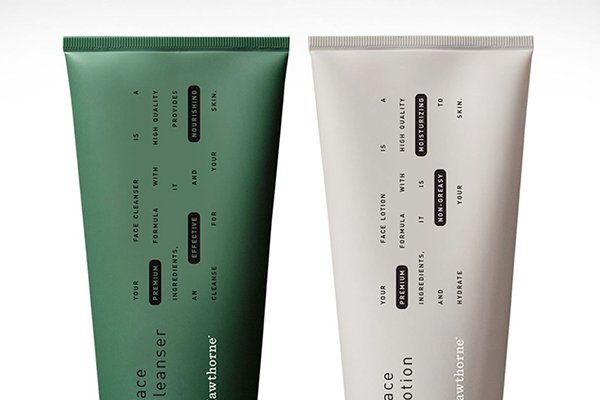
Consumers are increasingly seeking sustainable products, and brands are responding by adopting biodegradable packaging. This change helps meet environmental demands while aligning with growing market trends towards eco-conscious choices.
As sustainability becomes a top priority, many brands are turning to biodegradable packaging. This shift not only meets consumer demand but also strengthens a brand's commitment to environmental responsibility.
](https://jinlinpackaging.com/wp-content/uploads/2024/11/Why-Are-Brands-Turning-to-Biodegradable-Packaging.jpg)
Market Drivers for Sustainable Packaging
Several factors influence brands to choose biodegradable options:
- Consumer Awareness: Increased knowledge about environmental issues drives demand for eco-friendly packaging.
- Regulatory Pressure: Governments implement stricter regulations on plastic use, encouraging sustainable alternatives.
- Brand Image: Companies aim to improve their reputation by adopting green practices.
- Cost Efficiency: Long-term savings from reduced material costs and waste management fees.
Adopting biodegradable packaging] helps brands stay competitive and relevant in a changing market. I’ve seen firsthand how brands that prioritize sustainability attract loyal customers and gain a competitive edge.
How Does Biodegradable Packaging Benefit the Environment?
Traditional packaging generates significant waste and pollution. Biodegradable packaging offers an eco-friendly solution by naturally breaking down, reducing landfill overflow and lowering carbon emissions in the process.
Biodegradable packaging reduces waste and environmental harm by decomposing naturally. It helps minimize landfill contributions, decrease carbon footprints, and conserves resources, making it a sustainable choice for eco-conscious brands.
](https://jinlinpackaging.com/wp-content/uploads/2024/11/How-Does-Biodegradable-Packaging-Benefit-the-Environment.jpg)
Environmental Advantages of Biodegradable Packaging
- Reduced Waste: Decomposes naturally, minimizing landfill accumulation.
- Lower Carbon Emissions: Production processes emit fewer greenhouse gases.
- Resource Conservation: Uses renewable materials, decreasing dependence on non-renewable resources.
- Improved Biodiversity: Less pollution supports healthier ecosystems.
These benefits contribute to a more sustainable and healthier planet. In my experience working with JINLIN, implementing biodegradable packaging has significantly lowered our environmental impact and resonated with eco-conscious consumers.
What Innovations Are Driving Biodegradable Packaging?
Advances in material science and technology are transforming biodegradable packaging. Researchers are improving durability and functionality, making eco-friendly options more practical and appealing for a wide range of industries.
Innovative technologies are enhancing the performance of biodegradable packaging. These developments improve its durability, functionality, and overall appeal, helping brands adopt sustainable packaging solutions more effectively in the beauty industry.
](https://jinlinpackaging.com/wp-content/uploads/2024/11/What-Innovations-Are-Driving-Biodegradable-Packaging.jpg)
Key Innovations in Biodegradable Packaging
- Advanced Biopolymers: Development of stronger, more flexible bio-based materials.
- Smart Packaging: Integration of sensors and indicators for product freshness.
- Recycling Technologies: Enhanced methods for processing and reusing biodegradable materials.
- Design Innovations: Creative packaging designs that maximize sustainability and aesthetics.
These advancements make biodegradable packaging a practical and attractive option for brands. For example, the introduction of smart packaging has allowed brands to ensure product integrity while maintaining eco-friendly standards[^2].
Challenges in Promoting Biodegradable Packaging
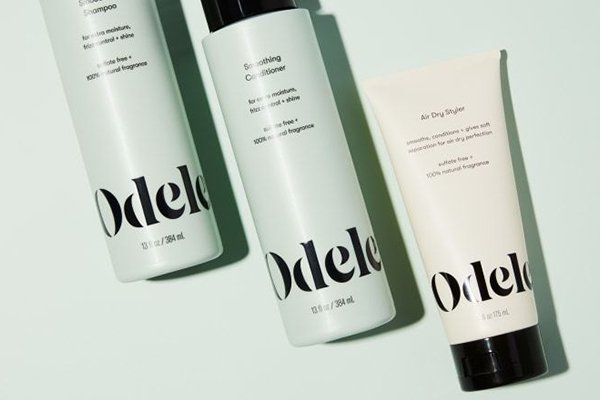
Biodegradable packaging offers numerous environmental benefits, but challenges such as high costs and limited availability still prevent widespread adoption. Overcoming these barriers is essential for realizing its full potential in sustainability.
Despite its eco-friendly advantages, biodegradable packaging faces challenges such as cost and scalability. To make it more accessible, addressing these obstacles through innovation and consumer education is essential for broader adoption.
](https://jinlinpackaging.com/wp-content/uploads/2024/11/Challenges-in-Promoting-Biodegradable-Packaging.jpg)
Overcoming Barriers to Adoption
| Challenge | Solution |
|---|---|
| High Production Costs | Invest in research to lower material costs |
| Limited Material Availability | Expand manufacturing capabilities and sources |
| Consumer Misunderstanding | Educate consumers on proper disposal methods |
| Performance Limitations | Continue innovation to improve material properties |
Addressing these challenges will enhance the feasibility and acceptance of biodegradable packaging. In my role at JINLIN, we focus on research and development to make biodegradable materials more affordable and accessible to our clients.
How to Choose a Biodegradable Packaging Supplier?
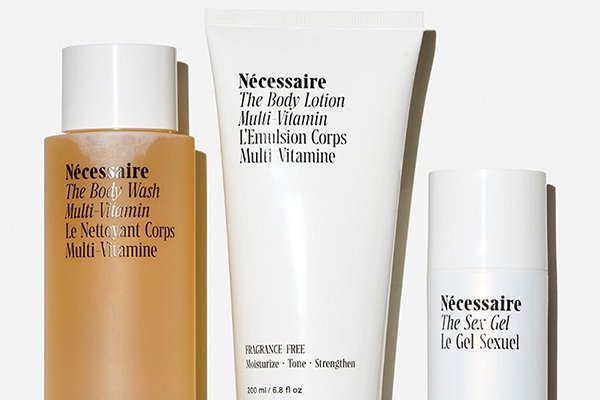
Selecting the right supplier for biodegradable packaging is crucial for ensuring both quality and sustainability. Brands need to carefully assess suppliers to ensure they meet environmental standards while providing reliable, high-quality products.
Choosing the right biodegradable packaging supplier requires careful evaluation of their sustainability practices, product quality, and ability to meet your specific needs. This ensures you get eco-friendly packaging that aligns with your brand’s goals.
](https://jinlinpackaging.com/wp-content/uploads/2024/11/How-to-Choose-a-Biodegradable-Packaging-Supplier.jpg)
Key Factors in Selecting a Supplier
- Certifications: Ensure the supplier has relevant environmental certifications.
- Material Quality: Verify the durability and biodegradability of materials used.
- Customization Options: Look for suppliers offering tailored packaging solutions.
- Supply Chain Transparency: Choose suppliers with clear and ethical sourcing practices.
- Customer Support: Reliable communication and support services are essential for smooth operations.
These factors help brands partner with suppliers that align with their sustainability goals.
Insights: Why Biodegradable Packaging Is Crucial for Sustainable Cosmetics
Concerned about the environmental impact of cosmetic packaging? Discover how biodegradable solutions are transforming the beauty industry for a sustainable future.
Biodegradable packaging in tube cosmetics addresses plastic waste and aligns with consumer demand for eco-friendly products. It enhances brand image, supports regulatory compliance, and fosters a competitive edge in the green market.
Exploring the Impact of Biodegradable Packaging on the Cosmetic Industry
Biodegradable packaging offers significant benefits for the cosmetic industry:
Environmental Impact Reduction:
Biodegradable tubes made from plant-based materials decompose quickly, minimizing long-term pollution and reducing reliance on single-use plastics.
Consumer Demand and Brand Loyalty:
Eco-conscious consumers favor brands with sustainable practices, increasing loyalty and willingness to pay a premium for environmentally friendly products.
Technological Advances and Product Integrity:
Innovations in biodegradable materials ensure high product protection and shelf life, maintaining quality standards without compromising on performance.
Circular Economy and Regulatory Compliance:
Aligning with circular economy principles, biodegradable packaging aids in waste reduction and helps brands meet stringent environmental regulations.
| Attribute | Benefit | Application |
|---|---|---|
| Environmental Impact Reduction | Decomposes quickly | Minimizes pollution |
| Consumer Demand and Loyalty | Appeals to eco-conscious consumers | Builds brand trust |
| Technological Advances | Maintains product protection | Ensures durability and quality |
| Circular Economy Compliance | Supports waste reduction | Meets regulatory standards |
Embracing biodegradable packaging allows cosmetic brands to lead in sustainability, innovation, and consumer engagement, paving the way for a greener future.
Conclusion
Biodegradable packaging is key to a sustainable beauty industry, reducing waste and supporting eco-friendly practices for a greener future.