Plastic packaging is often preferred in cosmetics due to its versatility, cost-effectiveness, and ability to maintain product integrity. Let’s explore why molded plastic stands out in the industry.
Molded plastic is favored for cosmetic packaging due to its durability, flexibility in design, and cost-effectiveness. It can be shaped into various forms, meeting both practical and aesthetic needs, making it an ideal choice for diverse packaging requirements in the cosmetics industry.
Now, let’s dive deeper into the specifics of why molded plastic is so essential for the cosmetic packaging industry.
Why Choose Plastic Packaging for Cosmetics?
Cosmetic packaging plays a crucial role in product protection and brand image. Plastic is often the go-to choice, but is it truly the best material compared to others?
Plastic packaging is preferred for cosmetics due to its lightweight, durability, and moldability. It offers excellent product protection and versatility, making it ideal for both functional and aesthetic packaging needs.
](https://jinlinpackaging.com/wp-content/uploads/2024/11/Why-Choose-Plastic-Packaging-for-Cosmetics.jpg)
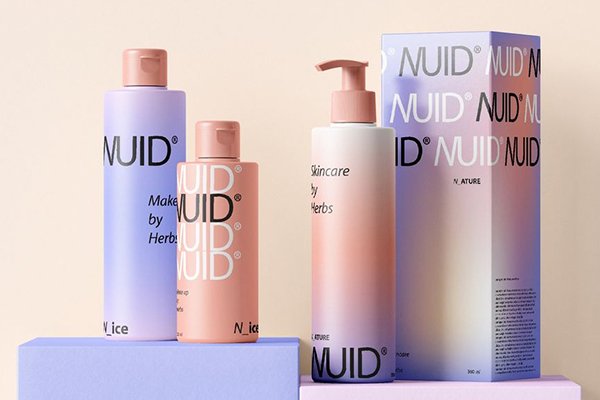
Plastic packaging has become the go-to choice for the cosmetics industry due to its ability to meet the functional and aesthetic needs of brands. One of its main advantages is its light weight, which makes it easier and cheaper to ship. This is a significant factor for cosmetic brands looking to reduce shipping costs and ensure their products are delivered safely without risk of breakage.
Durability is another key factor in favor of plastic. Unlike glass, which can shatter, plastic is much more resistant to damage. This provides brands with peace of mind, knowing that their products will reach the consumer in perfect condition. Additionally, plastic can be molded into an almost infinite variety of shapes, allowing companies to create unique, eye-catching packaging that helps their products stand out on the shelves.
In terms of cost-effectiveness, plastic is far cheaper to produce than glass, which is a major consideration for many cosmetic brands. The affordability of plastic means that brands can invest more in other areas of their business, such as product development or marketing. Furthermore, the versatility of plastic makes it ideal for different types of products, ranging from skincare lotions to makeup products.
| Feature | Plastic Packaging | Glass Packaging |
|---|---|---|
| Cost | Lower | Higher |
| Customizability | High | Low |
| Weight | Light | Heavy |
| Durability | High | Low |
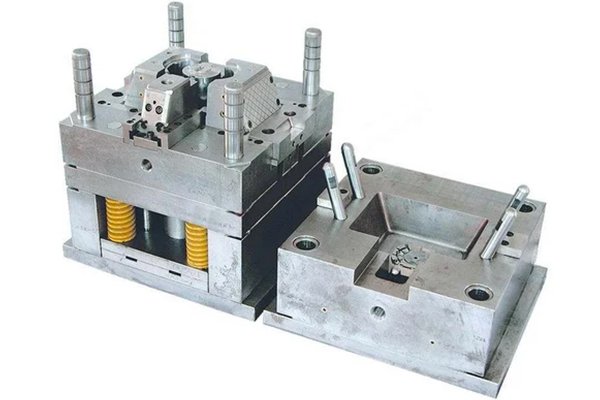
What is Molded Plastic Packaging?
When it comes to packaging cosmetics, precision, durability, and cost-efficiency are key. Molded plastic packaging offers all of this and more—let’s discover why it’s the best choice.
Molded plastic packaging shapes plastic into custom forms, ensuring precision and durability. This technique is ideal for cosmetics as it provides high-quality, versatile packaging at a competitive cost, meeting both functional and branding needs.
](https://jinlinpackaging.com/wp-content/uploads/2024/11/What-is-Molded-Plastic-Packaging.jpg)
Molded plastic is a versatile and efficient manufacturing process used in the cosmetic packaging industry. It involves the use of molds to shape plastic into the desired form, whether that’s a bottle, jar, or cap. This method allows for precision in the creation of packaging, ensuring that each piece fits the product perfectly and maintains its integrity during transit.
Molded plastic can be produced in various materials, including PET, HDPE, and PP, each offering unique characteristics. PET is a popular choice for its clarity and strength, making it ideal for transparent packaging. HDPE is known for its chemical resistance and durability, while PP offers flexibility and is often used for products that require a flexible cap or applicator. These materials are selected based on the type of product being packaged and the desired durability.
The flexibility of molded plastic also extends to its design capabilities. Brands can create packaging that’s not only functional but also aesthetically pleasing. The ability to create complex shapes and finishes allows brands to enhance the consumer experience and differentiate their products in a crowded marketplace.
| Plastic Type | Common Uses | Features |
|---|---|---|
| PET | Bottles, Jars | Clear, Strong, Lightweight |
| HDPE | Bottles, Containers | Tough, Chemical Resistant |
| PP | Caps, Containers, Applicators | Durable, Flexible, Cost-Effective |
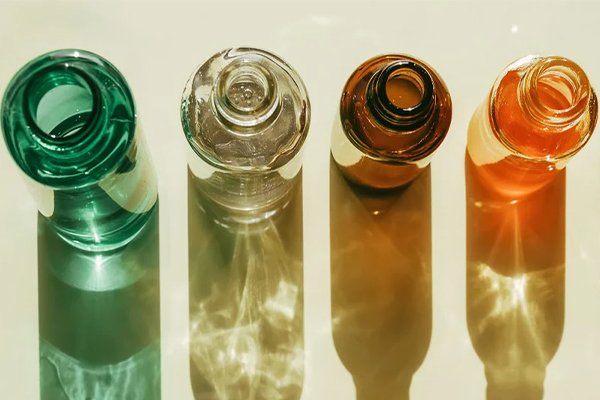
Is Plastic or Glass Better for Cosmetics?
Choosing the right packaging material can make or break a cosmetic brand. Plastic and glass each have unique benefits—let’s explore which one is better for your products.
Plastic is often preferred over glass for cosmetics because it’s more affordable, lightweight, and durable. However, glass remains a popular choice for premium products due to its elegant, high-end appearance.
](https://jinlinpackaging.com/wp-content/uploads/2024/11/Is-Plastic-or-Glass-Better-for-Cosmetics-2.jpg)
When choosing between plastic and glass, it’s important to weigh the benefits and drawbacks of each material. Glass is often seen as a premium option due to its luxurious appearance and weight. It has a high-end feel that some brands use to communicate quality and exclusivity. However, glass is fragile and heavier than plastic, which can lead to higher shipping costs and potential damage during transit.
Plastic, on the other hand, is lightweight, reducing shipping costs and the risk of breakage. Its durability makes it ideal for brands looking to maintain product integrity during shipping and handling. Additionally, plastic can be molded into various shapes, allowing for more customization than glass. This flexibility makes it an attractive option for brands aiming to create unique packaging that sets them apart from competitors.
Despite these advantages, some high-end cosmetic brands still opt for glass to maintain an image of luxury and sophistication. For mass-market products, however, plastic’s cost-effectiveness, versatility, and durability make it the ideal choice.
| Feature | Plastic Packaging | Glass Packaging |
|---|---|---|
| Cost | Lower | Higher |
| Durability | Higher | Lower |
| Aesthetic Feel | Customizable | Premium, Elegant |
| Weight | Lighter | Heavier |
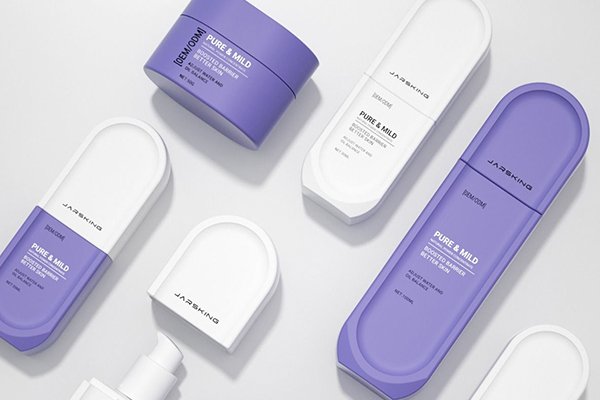
What is the Best Plastic for Cosmetic Packaging?
Choosing the right plastic for cosmetic packaging can be overwhelming with so many options. Let’s break down the key materials to help you make the best decision.
The best plastic for cosmetic packaging depends on your product’s needs. PET, HDPE, and PP are top choices, offering durability, chemical resistance, and excellent design versatility to suit different cosmetic products.
](https://jinlinpackaging.com/wp-content/uploads/2024/11/What-is-the-Best-Plastic-for-Cosmetic-Packaging.jpg)
When choosing the best plastic for cosmetic packaging, it’s essential to consider the specific needs of your product. PET, HDPE, and PP are the most commonly used plastics in the cosmetics industry, each with its unique characteristics that make it suitable for different products.
PET is widely used for packaging items such as bottles and jars due to its clarity and strength. It is also resistant to impact and UV light, which helps protect products from degradation. HDPE is another popular option, known for its toughness and chemical resistance, making it ideal for packaging lotions, creams, and other products that require protection from external factors. PP is often chosen for its flexibility, making it a great choice for caps, tubes, and containers that need to withstand bending and twisting.
Selecting the right plastic material is crucial for ensuring the durability and functionality of your cosmetic packaging. By understanding the properties of each type of plastic, you can make an informed decision that meets your product’s needs and your brand’s aesthetic.
| Plastic Type | Common Uses | Features |
|---|---|---|
| PET | Bottles, Jars, Containers | Clear, Strong, UV Protection |
| HDPE | Bottles, Cream Jars | Chemical Resistant, Tough |
| PP | Caps, Tubes, Containers | Flexible, Durable, Affordable |
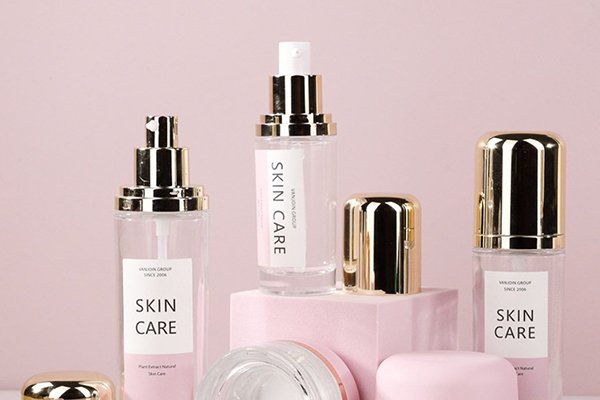
What Are the Disadvantages of Glass Packaging?
Why do some brands steer clear of glass packaging? Despite its appeal, glass comes with significant drawbacks, including higher costs, weight, and fragility, making it less practical for many cosmetic products.
Glass packaging, while aesthetically pleasing, is often avoided by brands due to its heavier weight, higher costs, and increased fragility, which can lead to higher shipping expenses and potential breakage.
](https://jinlinpackaging.com/wp-content/uploads/2024/11/What-Are-the-Disadvantages-of-Glass-Packaging.jpg)
Glass packaging, despite its premium feel, is often considered less practical than plastic due to its fragility and high cost. For brands that are looking for a cost-effective and durable solution, glass may not be the best option. Glass is also heavier, which increases shipping costs and makes it more prone to breakage during transit. Additionally, it requires more energy to produce, contributing to its higher environmental footprint.
For products that require a luxurious feel, glass may still be a suitable choice, but many cosmetic companies opt for plastic to strike a balance between cost, functionality, and sustainability.
| Disadvantage | Glass Packaging | Plastic Packaging |
|---|---|---|
| Weight | Heavy | Light |
| Durability | Low | High |
| Cost | Expensive | Affordable |
| Fragility | Breakable | Tough |
Why Do Companies Use Plastic Packaging?
Why is plastic the material of choice for cosmetic brands? Companies prioritize plastic for its cost-effectiveness, durability, and versatility, providing a perfect balance between functionality and style.
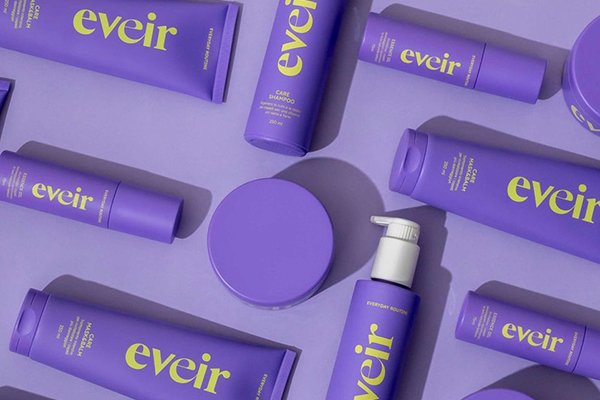
Plastic packaging is preferred by cosmetic brands for its lightweight, durability, and flexibility in design, offering an affordable and customizable solution that meets both functional and aesthetic needs.
](https://jinlinpackaging.com/wp-content/uploads/2024/11/Why-Do-Companies-Use-Plastic-Packaging.jpg)
Companies in the cosmetic industry choose plastic packaging for its cost-effectiveness, ease of customization, and durability. Plastic allows for mass production at a lower cost, while still offering the ability to create attractive, functional packaging. Brands can also take advantage of various plastic types such as PET and PP to suit specific product requirements, whether it’s UV protection, chemical resistance, or flexibility.
Plastic’s ability to be molded into different shapes also enables brands to create unique packaging that stands out on shelves and helps differentiate their products in a competitive market.
| Feature | Plastic Packaging | Other Materials |
|---|---|---|
| Cost | Lower | Higher |
| Durability | High | Low |
| Customization | High | Limited |
| Weight | Light | Heavy |
How Do Custom Cosmetic Packaging Manufacturers Benefit Brands?
Why should brands invest in custom packaging? With the right custom manufacturer, brands can elevate their products, differentiate from competitors, and provide a truly unique customer experience.
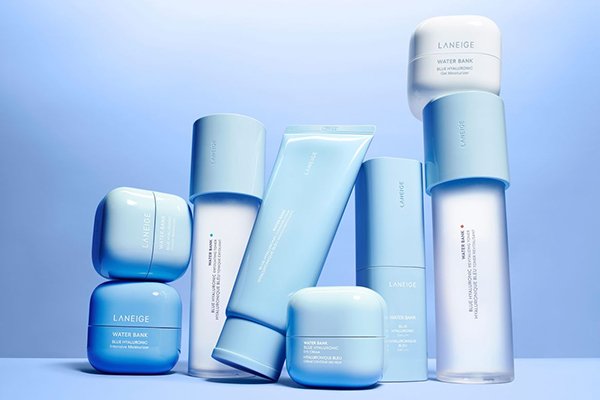
Custom packaging manufacturers enable brands to design distinctive, functional packaging that aligns with their identity. This unique approach boosts product appeal and gives companies a competitive edge in the crowded market.
](https://jinlinpackaging.com/wp-content/uploads/2024/11/How-Do-Custom-Cosmetic-Packaging-Manufacturers-Benefit-Brands.jpg)
Working with custom cosmetic packaging manufacturers allows brands to have full control over their product’s packaging design, ensuring it aligns with their brand identity and stands out on the shelf. Manufacturers like JINLIN Packaging offer personalized services, allowing brands to choose from a variety of materials, finishes, and shapes. This level of customization not only helps with brand recognition but also allows for packaging that suits the specific needs of the product, whether it’s ensuring product safety or creating a luxurious feel.
For brands looking to improve their product presentation and attract more customers, custom packaging offers a valuable solution that enhances the overall consumer experience.
| Benefit | Custom Packaging | Standard Packaging |
|---|---|---|
| Customizability | High | Low |
| Brand Differentiation | Strong | Weak |
| Product Safety | Tailored to product | Generic |
| Consumer Experience | Unique | Generic |
Insights: Molded Plastic the Best Choice for Cosmetic Packaging
Elevate your cosmetic brand with molded plastic packaging, combining durability, versatility, and cost-effectiveness for superior product protection and branding.
Molded plastic is ideal for cosmetic packaging due to its durability, versatility in design, cost-effective production, and excellent protection against environmental factors, ensuring product integrity and enhancing brand appeal.
Advantages of Molded Plastic in Cosmetic Packaging
Versatility and Customization
- Design Flexibility: Molded plastic accommodates complex shapes and custom designs, allowing brands to visually express their identity.
- Branding Opportunities: Customizable features like color and texture enhance brand recognition.
Durability and Protection
- Environmental Resistance: Provides excellent barriers against moisture, light, and pollutants, preserving product quality.
- Airtight Seals: Ensures protection against oxidation, crucial for maintaining product freshness.
| Feature | Benefit |
|---|---|
| Design Versatility | Custom shapes and branding |
| Durability | Protection from environmental damage |
Cost-Effectiveness and Sustainability
- Efficient Production: Injection molding reduces material waste and production costs.
- Sustainable Options: Use of recyclable materials like HDPE and PET supports eco-friendly initiatives.
Molded plastic excels in balancing function and aesthetics, making it the preferred choice for cosmetic packaging. Its protection capabilities, combined with cost efficiency and design flexibility, ensure that products not only remain intact but also attract consumer attention, reinforcing brand value and supporting sustainable practices.
Conclusion
Molded plastic packaging offers cosmetic companies a versatile, cost-effective, and durable solution that enhances branding, product protection, and customer satisfaction.